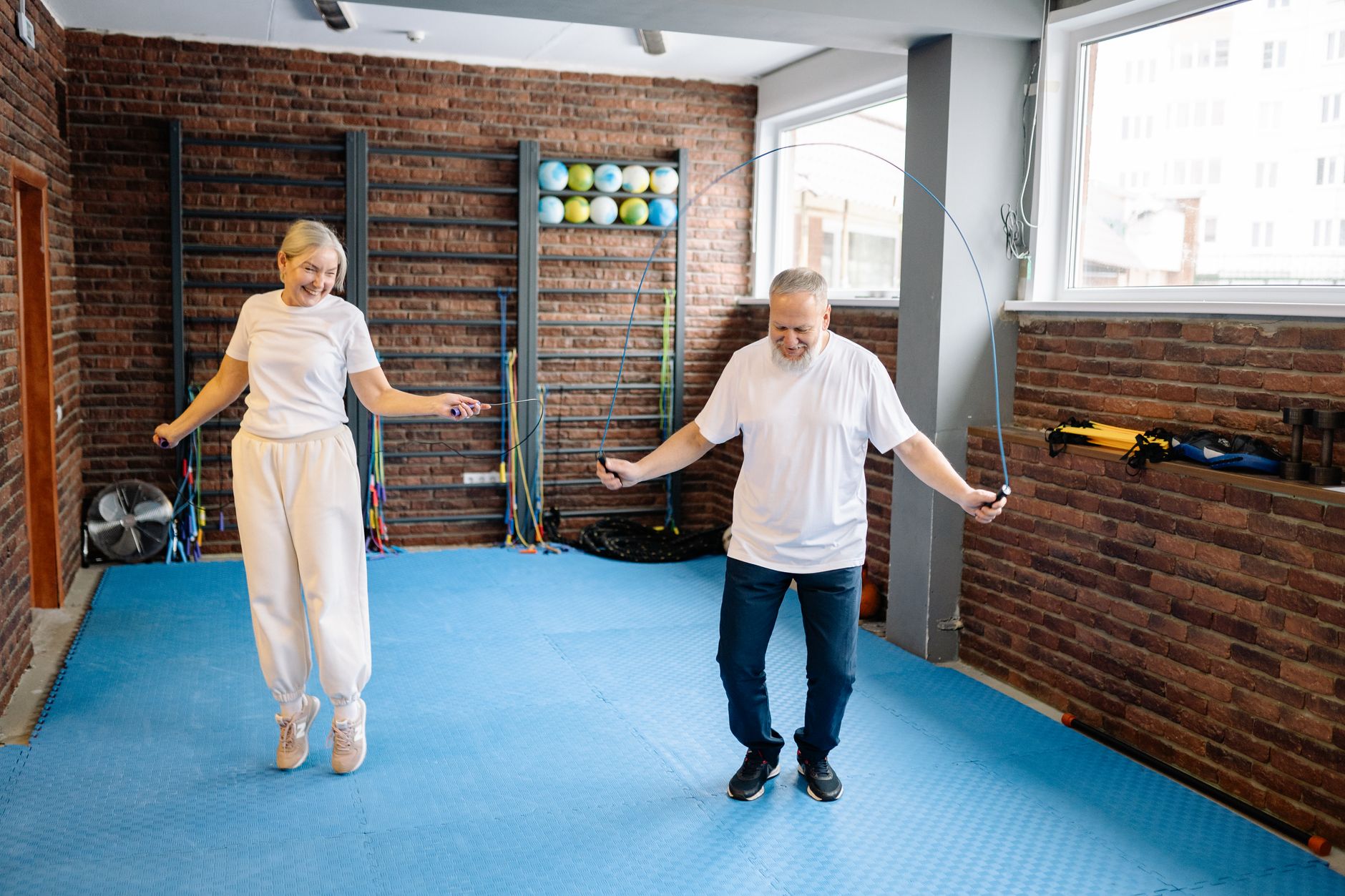
Parkinson's disease damages brain control of movement, causing tremor, stiffness, and slowness, and exercise helps preserve function. The Parkinson's Foundation advises about 150 minutes of moderate-to-vigorous exercise each week, with consistency mattering more than intensity. This FAQ translates source-checked guidance into weekly targets, safety steps, and limits. It focuses on adults living with Parkinson's and their caregivers making practical plans.
Medical information disclaimer: This article is for general educational purposes only and does not provide medical advice, diagnosis, or treatment. Always consult a physician or other qualified health professional about symptoms, medications, tests, or treatment decisions.
Table of Contents
- What does a balanced exercise week look like?
- Can high-intensity exercise slow motor decline?
- Can movement help thinking and memory?
- How do you start safely and get support?
What does a balanced exercise week look like?
The Parkinson's Foundation with the American College of Sports Medicine recommends 150 minutes per week of moderate-to-vigorous exercise. That target supports motor function and quality of life, as explained in the Foundation's exercise recommendations. The Foundation's Outcomes Project, its largest clinical study of Parkinson's, found people doing at least 2.5 hours weekly reported better quality of life.
The message is consistency over intensity alone. A balanced week covers four domains: Spread sessions across the week rather than saving movement for one day. Short, regular sessions protect habits and make the 150-minute goal easier to keep.
- aerobic activity 3 days per week for 30 minutes
- strength training 2-3 non-consecutive days per week
- balance, agility, and multitasking 2-3 days per week
- stretching 2-3 days per week, with daily stretching most effective
Can high-intensity exercise slow motor decline?
The Phase 2 SPARX trial studied 128 people with newly diagnosed Parkinson's over six months. High-intensity treadmill exercise at 80-85% maximum heart rate slowed motor-symptom worsening, reports CU Anschutz in its SPARX trial summary. Moderate intensity at 60-65% did not differ from usual care.
The finding is strongest for early Parkinson's under supervision. It does not mean everyone should push to 85% heart rate alone. Heart history, fitness, balance, and medications change what is safe and useful.
📨 Get Free Parkinson's Guides Alerts
Free · No spam · Unsubscribe anytime
Can movement help thinking and memory?
A review of nine randomized trials in people averaging age 60-74 with mild-to-moderate Parkinson's found exercise improved cognition. Treadmill walking about one hour three times weekly for 24 weeks showed the largest cognitive benefit, according to the Michael J. Fox Foundation analysis.
The pattern favors structured aerobic walking done regularly for months. Short, occasional activity did not show the same signal. For readers, that means picking a walking routine that can be kept up through changing symptoms.
How do you start safely and get support?
UK NICE guideline NG71 advises clinicians to consider early referral to a Parkinson's-experienced physiotherapist for assessment and activity advice, described in the NICE Parkinson's guidance. It also advises Parkinson's-specific physiotherapy when balance or motor-function problems occur. Early input helps match exercise type to gait, posture, and fall risk.
Use two practical safeguards before raising effort: Strongest slowing-progression and cognition signals come from early-stage and mild-to-moderate groups under supervision. Frail, advanced-disease, freezing-of-gait, or cardiac-risk patients need individualized medical clearance. Schedule workouts for on periods and bring your medication list to the therapy visit.
- get a functional evaluation from a Parkinson's-specialist physical therapist
- plan exercise during on medication periods when movement is best
You Might Also Like
- Caregiver Support for Parkinson’s Disease FAQ for October 2026: Source-Checked Answers to Common Questions
- What Is New With Exercise and Movement for Parkinson’s Disease in October 2026? Latest NIH, FDA, and trial records and Key Takeaways
- Exercise and Movement for Parkinson’s Disease October 2026 Update: What Changed, Why It Matters, and What to Watch Next