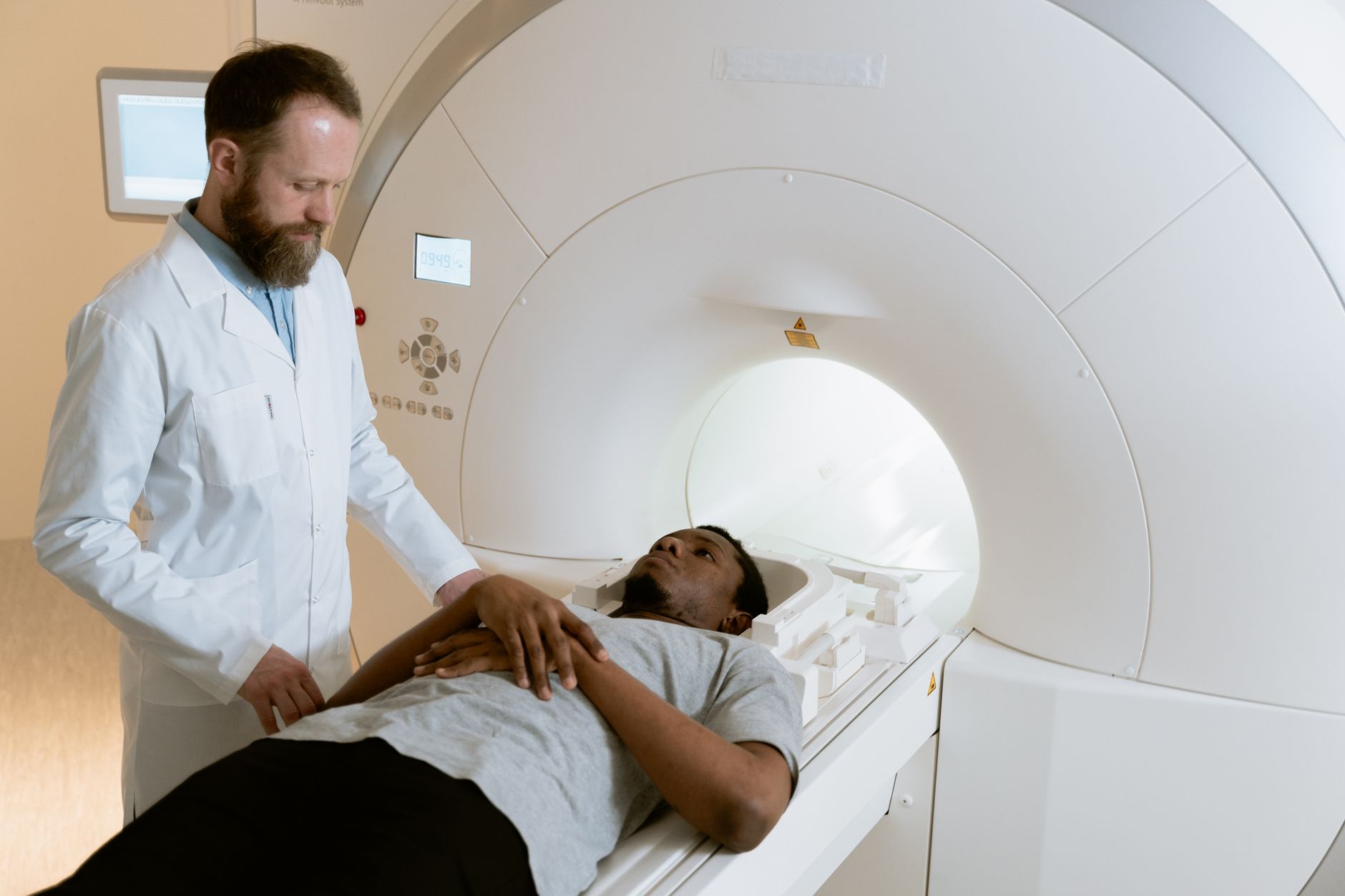
Hackensack Hospital has earned designation as a National Parkinson’s Foundation Care Center, cementing its position as a specialized facility equipped to manage the growing needs of patients living with Parkinson’s disease. This certification reflects the hospital’s commitment to evidence-based care protocols, multidisciplinary clinical expertise, and resources specifically calibrated to Parkinson’s patients—who often require coordinated treatment across neurology, movement disorders, physical therapy, speech pathology, and mental health services. For patients and families navigating a Parkinson’s diagnosis, the existence of accredited care centers offers a critical alternative to fragmented care in generalist settings where providers may have limited exposure to the disease’s complexity.
The rising prevalence of Parkinson’s disease has outpaced many hospitals’ capacity to offer specialized support. Patients who land in facilities without dedicated Parkinson’s programs often experience delayed diagnosis, suboptimal medication management, and missed opportunities for early intervention with physical and speech therapies that slow functional decline. Hackensack’s new designation responds directly to this gap, signaling a commitment to patients in the region who need depth of expertise rather than breadth of general neurology.
Table of Contents
- What Does a National Parkinson’s Foundation Care Center Designation Mean?
- Why Rising Parkinson’s Cases Have Created Pressure on Hospital Systems
- What Specialized Parkinson’s Care Looks Like in Practice
- How Patients Access Care at Specialized Centers and What to Expect
- Common Gaps in Non-Specialized Care That Designated Centers Are Positioned to Address
- The Role of Designated Care Centers in Medication and Surgical Decision-Making
- Understanding the Limits of Specialized Care and Planning Ahead
- Frequently Asked Questions
What Does a National Parkinson’s Foundation Care Center Designation Mean?
A Care Center designation from the National Parkinson’s Foundation (now part of the American Parkinson’s Association) recognizes hospitals that meet rigorous standards for Parkinson’s clinical care and patient support. Facilities earning this accreditation must demonstrate access to movement disorder neurologists, established treatment protocols, access to specialized diagnostic tools, and resources for caregiver education and support. The certification is not awarded lightly and reflects years of organizational investment and staff training. The designation also signals that Hackensack has committed to staying current with evolving Parkinson’s treatment standards.
The disease’s management landscape has shifted substantially in the past decade, with new medications, deeper understanding of non-motor symptoms (including cognitive changes and autonomic dysfunction), and evidence supporting early physical therapy becoming foundational to care planning. A designated Care Center must maintain this currency and offer patients access to the full range of contemporary therapeutic options. For a hospital system, earning this status requires institutional buy-in beyond the neurology department. It typically involves coordination with rehabilitation services, psychiatry for mood and cognitive support, gastroenterology for swallowing and digestive complications, and primary care teams. This interdisciplinary foundation is what distinguishes specialized Parkinson’s care from ad hoc treatment of individual symptoms.
Why Rising Parkinson’s Cases Have Created Pressure on Hospital Systems
parkinson‘s disease incidence and prevalence have risen across the developed world over the past two decades, driven partly by aging populations and partly by improved early recognition of the condition. Hospital systems have not uniformly expanded their neurological capacity to match this demand, leaving many regions with too few providers trained in movement disorders and too many patients waiting months for specialist evaluation. A diagnosis that used to be relatively rare in general practice is now common enough that every hospital network should have a plan to manage it—yet many do not. Rising cases have also exposed a gap between awareness among neurologists and awareness among primary care physicians, emergency departments, and internal medicine teams.
Patients may visit an emergency room with Parkinson’s-related complications—such as sudden freezing of gait, severe orthostatic hypotension, or acute psychiatric symptoms triggered by medication changes—and encounter providers unfamiliar with the condition’s acute manifestations. Designated Care Centers serve as anchors for regional education and referral networks, raising the standard of care even in settings that do not specialize in the disease. The aging of the Baby Boomer generation will intensify this pressure further over the coming decade. Without sufficient designated treatment centers, the result is care fragmentation: patients see multiple specialists without clear coordination, medication regimens proliferate without systematic review, and opportunities for preventive approaches to cognitive and motor decline are missed. Hackensack’s designation is a direct response to this forecasted need.
What Specialized Parkinson’s Care Looks Like in Practice
At a designated Care Center, a newly diagnosed patient typically receives a comprehensive evaluation that extends far beyond the standard neurological exam. Movement disorder specialists assess not only motor symptoms—tremor, rigidity, slow movement, postural instability—but also non-motor features including cognitive function, mood, sleep quality, blood pressure regulation, and gastrointestinal function. This breadth of assessment informs a personalized medication plan and identifies which patients would benefit from physical therapy, occupational therapy, or speech pathology support from the outset. For example, a patient diagnosed with Parkinson’s at a specialized center might receive a baseline cognitive screening to detect mild cognitive impairment, establishing a reference point for future monitoring.
The same visit would include education about medication timing in relation to food, strategies for managing freezing episodes at home, and information about local support groups and caregiver resources. In a non-specialized setting, a patient might receive a dopaminergic medication and be sent home with minimal guidance, returning months later when side effects or disease progression created a crisis. Specialized centers also maintain relationships with deep expertise in medication management. Parkinson’s pharmacology is intricate: the same medication that benefits motor symptoms in one patient may cause psychiatric side effects in another; dosing timing requires precision; and the addition of new medications demands careful sequencing to avoid harmful interactions. Designated Care Centers employ specialists who navigate these decisions methodically, whereas generalist neurology practices often rely on older treatment protocols or ad hoc adjustments.
How Patients Access Care at Specialized Centers and What to Expect
Patients typically enter a Parkinson’s specialized program through referral from a primary care physician or another neurologist, though some systems accept direct patient contact. The initial appointment is usually longer than a standard neurology visit—often 60 to 90 minutes—to allow comprehensive assessment. Patients should expect to spend time with intake staff providing detailed medical and family history, to complete structured questionnaires about motor and non-motor symptoms, and to participate in a thorough physical examination including assessment of balance, gait, and cognitive status. One tradeoff of specialized care is that it may require travel to a larger medical center. A patient living in a rural area near Hackensack’s service region might benefit substantially from the hospital’s Parkinson’s expertise but face a commute for appointments.
Some specialized centers mitigate this barrier by offering telemedicine follow-ups for stable patients and scheduling in-person visits less frequently once a treatment plan is established. The value of initial comprehensive evaluation and periodic in-person reassessment often justifies the effort for patients whose disease is complex or who are not responding well to standard approaches. Insurance coverage for specialized care is generally the same as for standard neurology, though prior authorization may be required depending on the insurance plan. Patients should verify coverage before their first visit. Additionally, designated Care Centers typically offer caregiver support programs—education classes, support groups, respite resources—which represent added value beyond medication management alone.
Common Gaps in Non-Specialized Care That Designated Centers Are Positioned to Address
Parkinson’s disease affects every system in the body, yet many patients receive care from providers who focus narrowly on motor symptoms or who are unfamiliar with the disease’s full clinical spectrum. A warning sign that a patient is not receiving adequate specialized care is medication management in isolation, without attention to physical therapy, cognitive screening, or management of non-motor symptoms like constipation, sleep disturbance, or anxiety. These symptoms are not cosmetic complaints—they directly impact quality of life and can accelerate perceived disease progression. Another common limitation of non-specialized care is insufficient recognition of medication side effects and when they warrant adjustment. Parkinson’s medications, particularly dopaminergic agents, can trigger or exacerbate hallucinations, psychosis, compulsive behaviors, and impulse control disorders.
A patient experiencing these problems in a general neurology practice might be referred to psychiatry, which then prescribes antipsychotic medications that paradoxically worsen Parkinson’s motor symptoms. A designated Care Center integrates neurology and psychiatry expertise to prevent this trap, adjusting Parkinson’s medications in coordination with psychiatric management rather than treating the two domains in silos. A third limitation is inattention to the caregiver burden. Many caregivers report that standard neurology visits focus entirely on the patient, ignoring the caregiver’s physical strain, emotional exhaustion, and need for information. Designated Care Centers typically include caregiver education, respite resources, and mental health support for family members as part of the formal program—not as afterthoughts.
📨 Get Free Parkinson's Guides Alerts
Free · No spam · Unsubscribe anytime
The Role of Designated Care Centers in Medication and Surgical Decision-Making
As Parkinson’s advances, medication management becomes increasingly complex. Patients may reach a point where standard medications no longer provide stable symptom control throughout the day, necessitating more frequent doses, addition of adjunctive agents, or consideration of advanced therapies such as deep brain stimulation (DBS) or infusion therapies. Designated Care Centers maintain relationships with neurosurgeons and other specialists trained in these advanced interventions, allowing for coordinated decision-making about whether a patient is a candidate and what approach best aligns with their goals.
A specific example: a patient whose Parkinson’s became severely disabling by age 60 might be evaluated for deep brain stimulation at a designated center. The movement disorder specialist, neurosurgeon, neuropsychologist, and psychiatrist collaborate to assess whether the patient has the cognitive reserve for surgery, whether their social support system can sustain them through the recovery period, and whether their symptom profile favors surgical intervention. This multidisciplinary review substantially reduces the risk of poor outcomes compared to a surgical decision made by a single specialist without input from other relevant experts.
Understanding the Limits of Specialized Care and Planning Ahead
Even at a designated Care Center, there is no cure for Parkinson’s disease. Specialized care optimizes symptom management, extends periods of good function, and improves quality of life—but it does not reverse the underlying neurological changes. Patients and families should enter a specialized program with realistic expectations: the goal is to live well with the disease, not to eliminate it.
This reframing is important because otherwise patients may interpret symptom progression despite excellent care as a sign of care failure when it is in fact the natural history of the condition. Designated Care Centers are also most valuable when patients access them relatively early in the disease course, when treatment protocols can be established, and when preventive approaches like physical therapy can take root. Patients who delay specialist evaluation until significant disability has developed may derive benefit, but the opportunity to optimize early management has passed. Another practical consideration is continuity: specialized care works best when a patient remains with the same care team over years, allowing providers to develop familiarity with the patient’s individual response patterns and to track disease progression longitudinally.
Frequently Asked Questions
What is the difference between a National Parkinson’s Foundation Care Center and a general neurology practice?
A designated Care Center has formal training and protocols specifically for Parkinson’s disease management across motor and non-motor symptoms, with interdisciplinary team coordination. A general neurology practice may manage Parkinson’s patients but typically lacks the depth of specialization, dedicated resources, and structured support programs.
Does specialized Parkinson’s care require a special referral, or can I contact the center directly?
This varies by hospital system. Some designated centers accept self-referrals; others require a referral from a primary care physician or neurologist. Contact Hackensack’s program directly to learn their intake process.
If I travel far to reach a specialized center, will all my follow-up visits need to be in person?
Many designated centers use telemedicine for stable patients and routine follow-ups, scheduling in-person visits less frequently once an initial comprehensive evaluation and care plan are established. Ask about this option when scheduling.
Can a specialized center help me if I’ve already had Parkinson’s for many years?
Yes, though the benefit is often greatest when a patient accesses specialized care relatively early. Even long-established patients often benefit from medication review, optimization of non-motor symptom management, and caregiver support—all hallmarks of specialized care.
What if my insurance doesn’t cover appointments at a specialized center far from home?
Contact the hospital’s patient financial services before your first visit to verify coverage and understand any travel-related costs. Some centers can help connect patients with resources or advocate with insurance for coverage exceptions.
Does a Parkinson’s care designation mean the hospital uses newer or more expensive treatments?
Designation reflects adherence to evidence-based care standards and access to the full range of treatment options, not necessarily cutting-edge or expensive interventions. Many effective treatments for Parkinson’s are conventional; specialized centers excel at matching the right treatment to the individual patient.
You Might Also Like
- Why Stress Can Make Parkinson’s Tremor Worse
- Why Smaller Handwriting May Point to Parkinson’s
- Why People With Parkinson’s Have Trouble Turning