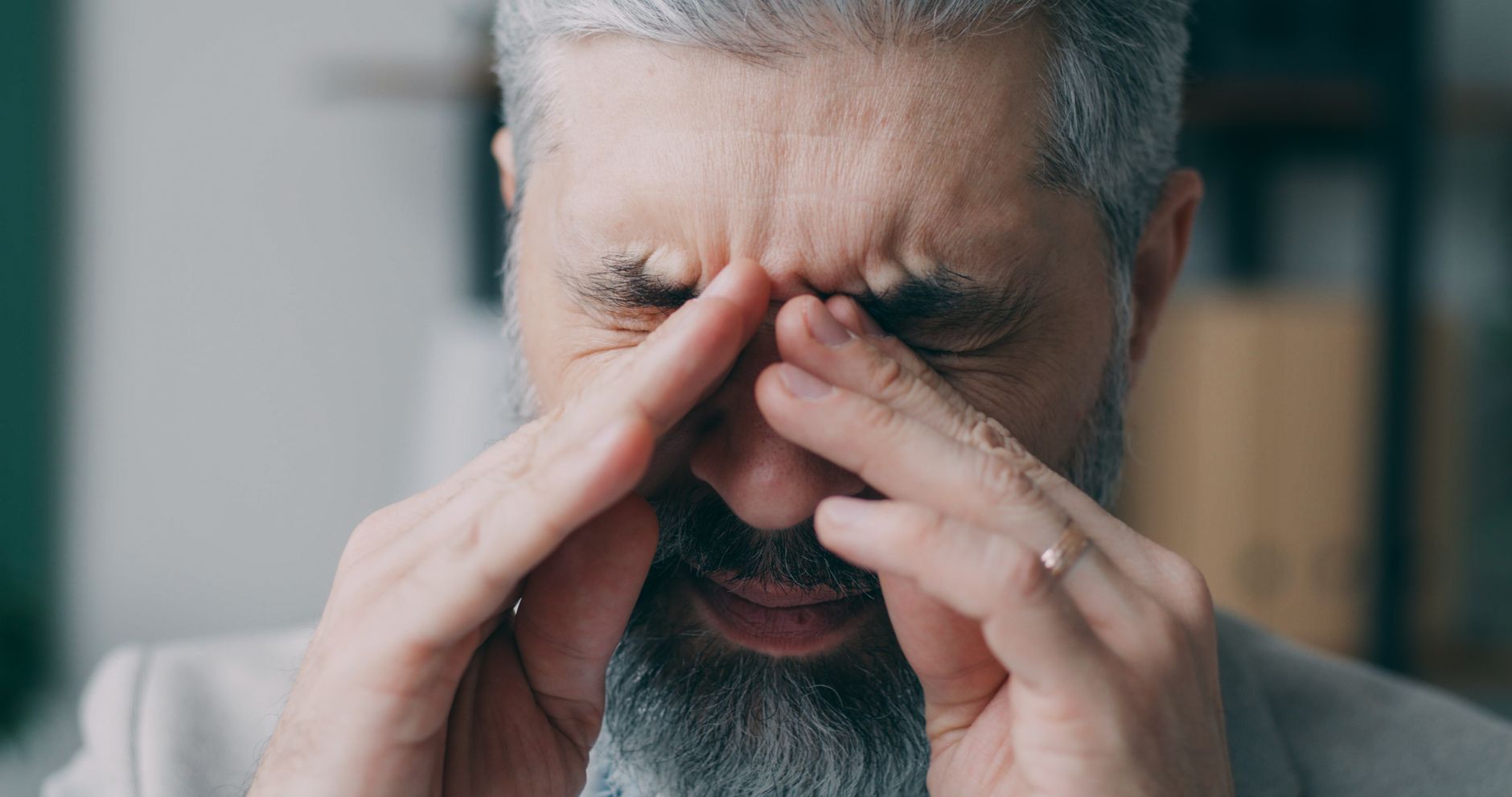
Parkinson's fatigue is a worn-out, low-energy state that can appear early and limit work and social life. It stems partly from Parkinson's brain changes, is tracked with symptom scales and daily logs, and is managed through exercise and careful treatment talks. About half of people with Parkinson's report fatigue as a major problem and about one-third call it their most disabling symptom, according to the Parkinson's Foundation page on fatigue. That impact makes it worth naming clearly and raising early with a care team.
Medical information disclaimer: This article is for general educational purposes only and does not provide medical advice, diagnosis, or treatment. Always consult a physician or other qualified health professional about symptoms, medications, tests, or treatment decisions.
Table of Contents
- What causes it?
- Fatigue, sleepiness, or apathy?
- How can you track it?
- What helps, and what should you discuss?
What causes it?
Parkinson's fatigue stems partly from Parkinson's-related brain changes themselves. The Michael J. Fox Foundation notes that it can appear early and its severity does not necessarily track motor symptom severity.
Several other factors can worsen it. The Michael J. Fox Foundation lists depression, anxiety, pain, low blood pressure, sleep disturbance, strenuous movement, and dopamine agonists such as ropinirole and pramipexole that cause daytime sleepiness.
Fatigue, sleepiness, or apathy?
Clinicians separate fatigue from two look-alikes. The Michael J.
Fox Foundation defines fatigue as feeling low-energy and worn out, sleepiness as being able to fall asleep, and apathy as low motivation. The difference matters for next steps. Low energy points toward fatigue contributors, dozing points toward sleep and medication causes, and low motivation points toward mood and apathy-related causes.
📨 Get Free Parkinson's Guides Alerts
Free · No spam · Unsubscribe anytime
How can you track it?
A clinic tool is the 16-item Parkinson Fatigue Scale, called PFS-16. Parkinson's UK describes it as a patient-rated scale taking about five minutes, covering fatigue presence and daily-function impact, with mean-score guidance on the Parkinson's Fatigue Scale set at 3.3 or higher for distressing fatigue.
A simple daily log can also reveal patterns. The Michael J. Fox Foundation says noting sleep, medication timing, and fatigue helps patients schedule demanding tasks for when medications work best and avoid "off" periods.
- Sleep hours and nighttime awakenings
- Dose times and when each dose kicks in
- Fatigue rating morning, afternoon, and evening
- Demanding tasks done and what felt harder
What helps, and what should you discuss?
Exercise of at least 2.5 hours per week is the best-supported strategy, according to the Parkinson's Foundation guidance on fatigue. Optimizing motor medications typically does not relieve fatigue alone, and no drug is approved specifically for Parkinson's fatigue.
Few therapies have proven effective for fatigue alone. The Parkinson's Foundation advises reviewing sleep, mood, anemia, thyroid, blood pressure, vitamin deficiencies, and non-Parkinson's drugs before changing Parkinson's treatment. Bring your sleep-medication-fatigue log and any PFS-16 results to that visit.
You Might Also Like
- Understanding Parkinson’s Fatigue: Evidence, Limits, and Next Steps
- Understanding Parkinson’s Disease Liftware: Evidence, Limits, and Next Steps
- Understanding Apple Watch Parkinson’s: Evidence, Limits, and Next Steps