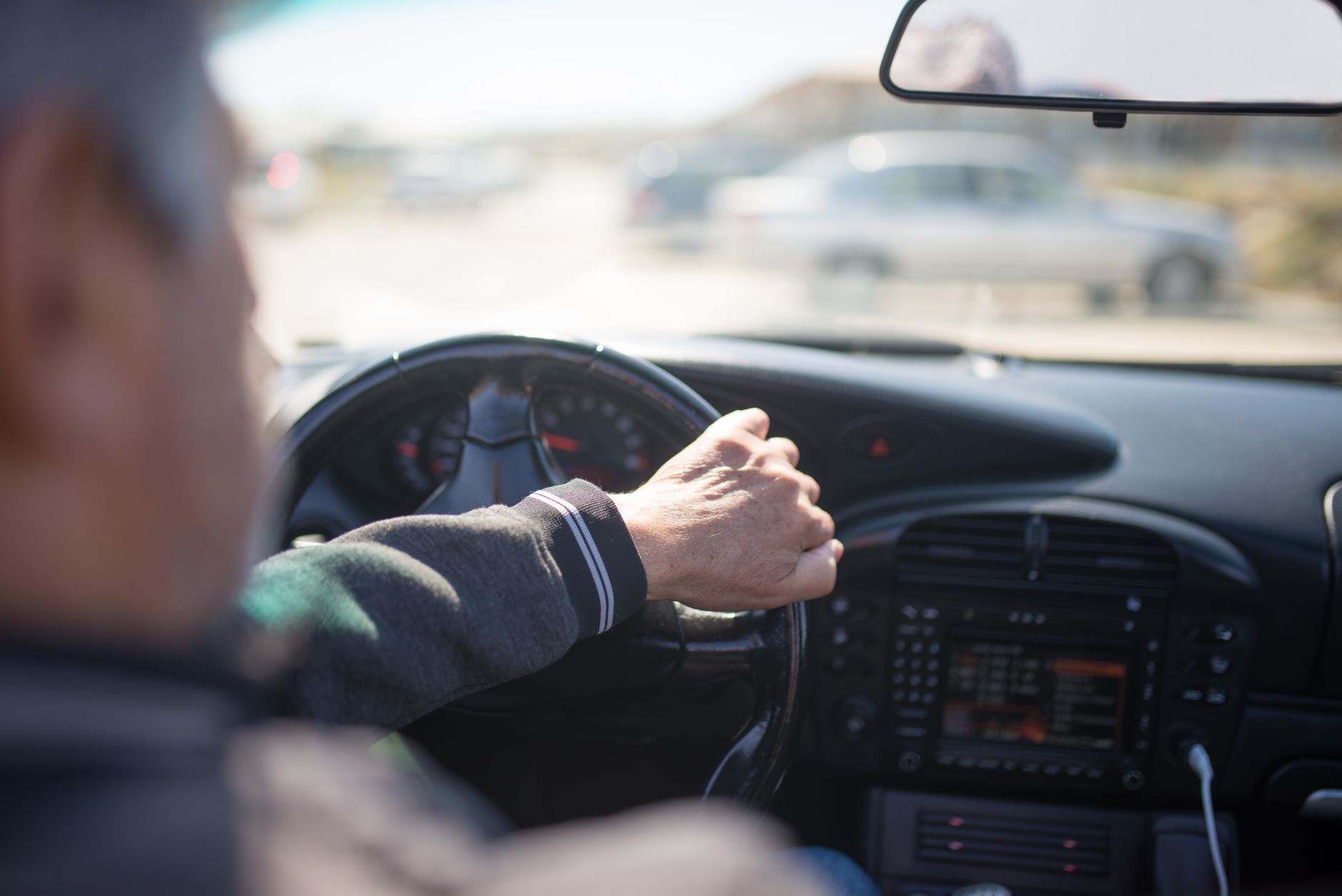
A Parkinson's diagnosis does not require you to stop driving right away. Many people drive safely for years with regular safety checks and a backup transportation plan. Parkinson's disease is a brain condition that causes slow movement, stiffness, and thinking changes. The Parkinson's Foundation explains in its driving fact sheet that safety depends on specific symptoms and aging changes, not the diagnosis alone.
Medical information disclaimer: This article is for general educational purposes only and does not provide medical advice, diagnosis, or treatment. Always consult a physician or other qualified health professional about symptoms, medications, tests, or treatment decisions.
Table of Contents
- How does Parkinson's change driving?
- Which warning signs call for a driving check?
- What happens in a formal driving evaluation?
- How can you stay mobile without driving?
How does Parkinson's change driving?
Slowed reactions and bradykinesia delay braking and steering. Bradykinesia means abnormal slowness of movement. Rigidity limits head turns for blind spots and fine pedal control. Vision and thinking changes add risk.
Poor contrast sensitivity makes night and fog harder to judge. Trouble with multitasking, memory, and judging gaps and speed affects intersections, lane changes, and curves. Parkinsons.org describes a 2006 controlled Neurology study with the same pattern. Drivers with Parkinson's made more errors than age-matched controls at intersections, lane changes, and curves. Many drivers without major cognitive impairment still drove safely.
Which warning signs call for a driving check?
Watch for changes in the car, on the road, and in daily function. Small problems often appear before a crash.
Medication drowsiness is a separate red flag. The National Library of Medicine states in the pramipexole drug label that patients have fallen asleep during daily activities, including driving. These episodes sometimes caused accidents and sometimes occurred without warning drowsiness.
📨 Get Free Parkinson's Guides Alerts
Free · No spam · Unsubscribe anytime
- New dents, scrapes, or traffic tickets
- Getting lost on familiar routes
- Attention or memory lapses while driving
- Longer medication "off" periods with stiffness or slowness
- Family concern about safety
What happens in a formal driving evaluation?
Ask your doctor for a referral when signs appear or family members worry. The Parkinson's Foundation describes clinic testing of physical, visual, and cognitive skills plus a behind-the-wheel test. An occupational therapist with driver-rehabilitation training often performs it. A passing result is not permanent because Parkinson's progresses.
WebMD notes in its Parkinson's and driving guide that people with early Parkinson's plus mild dementia who want to keep driving should repeat testing about every six months. Stop driving if you fail a re-evaluation. Use the waiting period to practice alternatives. Take a different route as a passenger. Test booking a ride before you urgently need one.
How can you stay mobile without driving?
Local services can cover errands, medical visits, and social trips. SeniorAnswerDesk lists several options in its transportation guide for seniors that families use after driving retirement. Make the decision easier in advance.
KFF Health News describes a non-legally-binding driving advance directive endorsed by AAA and the American Occupational Therapy Association. The driver agrees early to limit or stop driving when named people or test results say it is unsafe. Call Eldercare Locator at 1-800-677-1116 to find local Area Agency on Aging services.
- Local Area Agency on Aging services through Eldercare Locator
- ADA paratransit door-to-door transit
- Volunteer-driver programs
- Rideshares such as Uber or Lyft
- Medicaid medical rides
You Might Also Like
- Parkinson’s Home Safety for Beginners: A Clear, Safety-First Overview
- Understanding Parkinson’s Fatigue: Evidence, Limits, and Next Steps
- Understanding Parkinson’s Disease Liftware: Evidence, Limits, and Next Steps