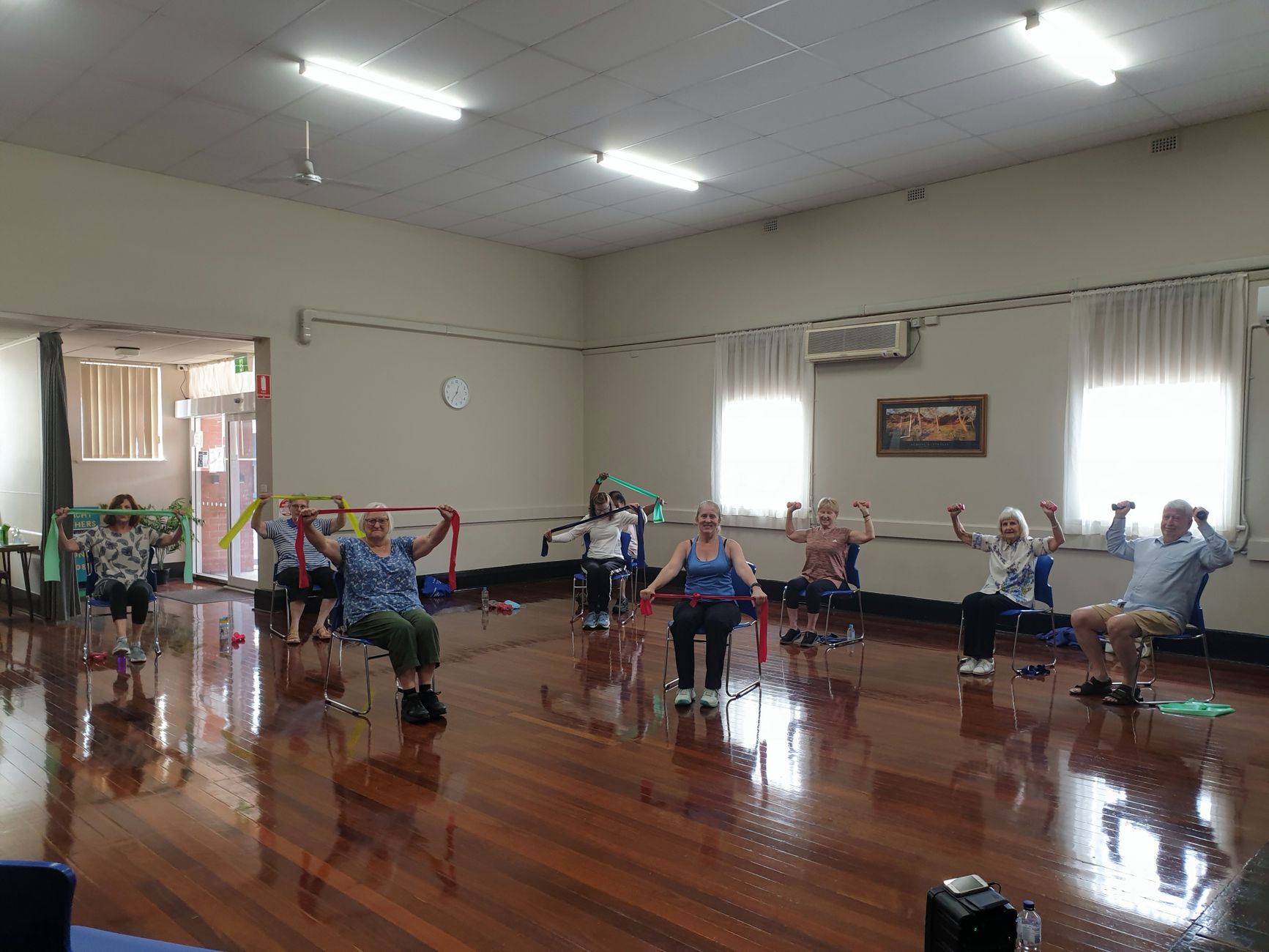
Exercise and movement for Parkinson's disease in 2026 means planned aerobic, strength, balance, and stretching activity with safety checks and expert access. Parkinson's disease is a brain disorder that causes slowed movement, stiffness, tremor, and balance problems, and this guide explains safe starting points, access routes, and evidence limits. The approach helps movement symptoms and daily function, but it does not work the same for falls, thinking changes, or advanced disease. Use the facts and questions below to plan next steps with your care team.
Medical information disclaimer: This article is for general educational purposes only and does not provide medical advice, diagnosis, or treatment. Always consult a physician or other qualified health professional about symptoms, medications, tests, or treatment decisions.
Table of Contents
- What weekly pattern should you discuss?
- How do you start safely and get expert help?
- What does the evidence show, and where are the limits?
- What should you ask at your next visit?
What weekly pattern should you discuss?
The Parkinson's Foundation with the American College of Sports Medicine recommends about 150 minutes per week of moderate-to-vigorous exercise across aerobic, strength, balance/agility/multitasking, and stretching. That framework includes aerobic exercise 3 days for 30 minutes and strength work 2-3 days for 30 minutes, described in the Parkinson's Foundation exercise recommendations.
Treat that pattern as a target to discuss, not a starting prescription. Your clinician and physical therapist can adjust type, intensity, and rest based on symptoms, medication response, heart health, and fall history.
How do you start safely and get expert help?
Safety starts with a functional evaluation by a physical therapist specializing in Parkinson's. The guidance also advises exercising during "on" periods when medication controls symptoms, plus supervision and tracking of physical and cognitive changes.
📨 Get Free Parkinson's Guides Alerts
Free · No spam · Unsubscribe anytime
U.S. physical therapy guidance says programs should start early and may include moderate-to-high-intensity aerobic exercise, strengthening, balance and gait training, freezing-of-gait cueing strategies, assistive devices, and home fall-proofing, according to the American Physical Therapy Association via ChoosePT. Ask your primary care clinician or neurologist for a referral to Parkinson's-experienced therapy rather than starting intense training alone.
What does the evidence show, and where are the limits?
Cochrane found structured exercise helped movement symptoms and quality of life across 156 randomized trials with 7,939 people worldwide. Dance, water exercise, strength, endurance, tai chi, yoga, and physiotherapy showed mild-to-large benefits compared with no exercise, reported in the Cochrane news summary. Fall prevention has clearer limits.
University of Sydney researchers reported exercise reduced falls mainly in less-severe Parkinson's, with about 70% fewer falls in milder disease and no significant reduction in more severe disease in a 231-person trial of 40-60 minutes 3 times per week for six months, described in the University of Sydney trial report. Harm risk remains uncertain because a Cochrane falls review judged evidence on exercise-related adverse events as very low certainty. In a separate long-term study, 294 adults averaging age 66 with mild-to-moderate Parkinson's who were more active had slower declines in thinking, memory, and movement over up to 7 years, but the study does not prove activity caused slower progression. Supervision matters most with freezing of gait, low blood pressure, and blunted heart rate.
What should you ask at your next visit?
Bring your medication schedule, fall and near-fall history, and home barriers. Ask whether exercise should occur in "on" time, whether you need supervised versus home sessions, and how to increase dose safely.
- Do I need a Parkinson's-experienced physical therapy referral now?
- Should I schedule sessions during "on" periods?
- Does my fall or freezing history require supervised exercise?
- How will we track movement, thinking, blood pressure, and heart-rate response?
- When home exercise is used, what fall-proofing and assistive device plan should I follow?
You Might Also Like
- Caregiver Support for Parkinson’s Disease 2026 Guide: safety, access, and evidence limits; Key Facts and Questions to Ask
- What Is New With Exercise and Movement for Parkinson’s Disease in October 2026? Latest NIH, FDA, and trial records and Key Takeaways
- Exercise and Movement for Parkinson’s Disease October 2026 Update: What Changed, Why It Matters, and What to Watch Next