Category: Parkinson’s News

Updates and news for the Parkinson’s community. (Coming soon.)

  • Customized Stem Cell Regeneration Therapy Shows Promising Results for Parkinson’s Disease

    Customized Stem Cell Regeneration Therapy Shows Promising Results for Parkinson’s Disease

    Customized stem cell regeneration therapy represents an emerging therapeutic approach that aims to address Parkinson’s disease by replacing damaged dopamine-producing neurons with cells grown from a patient’s own cells or carefully matched donors. Research into this approach has shown encouraging early results in laboratory and some clinical settings, though the therapy remains largely experimental and is not yet widely available as a standard treatment. The fundamental premise is that by generating specialized neurons in controlled environments, clinicians can potentially restore the neural circuitry disrupted by Parkinson’s progression, offering hope for patients who have limited options as their symptoms advance.

    The promise of stem cell therapies lies in their theoretical ability to address one of Parkinson’s core pathologies—the death of dopamine neurons in the substantia nigra region of the brain. Unlike current medications that manage symptoms, regenerative approaches could theoretically replace lost neurons and restore normal brain chemistry. Early laboratory findings and preliminary patient case studies have demonstrated that transplanted stem cell-derived neurons can survive in the brain and produce dopamine, though much work remains to prove long-term efficacy and safety in broader patient populations.

    Table of Contents

    How Do Customized Stem Cell Therapies Work for Parkinson’s?

    Customized stem cell therapy typically begins with isolating cells from a patient—either directly from their bone marrow, fat tissue, or peripheral blood, or by reprogramming adult cells to a pluripotent state in the laboratory. These cells are then grown and differentiated into dopamine-producing neurons using specific chemical and biological signals. The customized aspect means the therapy is tailored to the individual patient’s needs and, when using the patient’s own cells, potentially reduces the risk of immune rejection. Once the neurons reach maturity, they are carefully transplanted into the damaged regions of the brain where Parkinson’s has caused neuronal loss. The biological mechanism works by attempting to restore the neurotransmitter dopamine, which becomes critically depleted in Parkinson’s disease and is responsible for smooth motor control and movement coordination.

    By introducing newly generated dopamine neurons directly into the brain, the therapy aims to create a more permanent restoration of dopamine production than traditional medications can provide. A key distinction from older fetal cell transplant approaches is that customized therapies can theoretically be scaled to unlimited patient populations without ethical constraints, and they reduce reliance on limited donor sources. However, transplanted neurons must successfully integrate into existing neural networks to be effective, a process that is complex and not fully understood. The brain must recognize these new neurons as functional components of its circuitry, and they must form appropriate connections with adjacent cells. Early research shows this integration is possible, but consistent success rates and long-term outcomes require continued investigation.

    The Current State of Research and Clinical Evidence

    Most customized stem cell therapies for Parkinson’s remain in early-stage clinical trials or investigational use, meaning the evidence base is still building. Some research centers and specialized clinics worldwide have undertaken small-scale patient studies with autologous (patient-derived) stem cells showing modest improvements in motor symptoms over months of follow-up. These early results are genuinely encouraging—patients in some cases have reported improvements in movement speed, reduced rigidity, or decreased medication requirements—but the numbers of patients treated remain small, and long-term data spanning years are limited. One important limitation is the heterogeneity of Parkinson’s disease itself. Patients vary considerably in disease progression, baseline symptom severity, and how they respond to any given intervention.

    A therapy showing promise in one patient may work differently or not at all in another, making it difficult to predict who will benefit most from stem cell approaches. Additionally, improvements observed in research settings may not translate uniformly when treatments move to broader clinical practice, a gap that has affected many neurological therapies. Regulatory pathways for stem cell therapies vary significantly by country. Some nations have approved certain stem cell treatments for compassionate use or as regenerative medicines, while others maintain more restrictive approval frameworks pending larger-scale evidence. Patients considering these therapies should understand that availability and regulatory status differ geographically, and treatments available in one country may not be approved elsewhere.

    Specific Examples of Stem Cell Therapy Development for Parkinson’s

    Several research institutions and biotech companies have pursued distinct approaches to stem cell therapy for Parkinson’s. Some programs focus on transplanting dopamine neurons derived from pluripotent stem cells—cells reprogrammed to an embryonic-like state capable of differentiating into any cell type—into the striatum, the brain region most affected by dopamine loss. Other programs investigate transplanting cells that can produce dopamine or modulate the immune environment in ways that slow neurodegeneration.

    A few clinical programs have reported cases where patients experienced noticeable improvements in motor symptoms after transplantation, with some patients able to reduce medication doses. The variability in approaches reflects ongoing scientific debate about optimal cell types, transplant locations, and patient selection criteria. Research comparing different stem cell sources—such as induced pluripotent stem cells versus bone marrow-derived mesenchymal stem cells—continues to define which cell types are most suitable. Some researchers believe combination approaches, pairing stem cell transplantation with other interventions such as growth factors or immune-modulating drugs, may yield better outcomes than transplantation alone.

    What Patients Need to Know About Current Access and Realistic Expectations

    Customized stem cell therapies for Parkinson’s are generally not covered by mainstream health insurance in most countries because they are not FDA-approved or similarly sanctioned in most regions. Patients seeking these treatments often face significant out-of-pocket costs, sometimes ranging into tens of thousands of dollars, with no guarantee of benefit. Some clinics marketing stem cell therapies for Parkinson’s operate in regions with lighter regulatory oversight, which creates risk: not all clinics maintain rigorous quality control, standardized protocols, or legitimate research oversight. It is important to distinguish between clinics conducting legitimate clinical research with proper institutional review and those primarily operating as commercial ventures.

    Legitimate research programs typically offer transplantation as part of a formal trial with informed consent, ongoing monitoring, and data sharing with the scientific community. Commercial clinics, by contrast, may promise dramatic results based on limited or unpublished evidence, lack transparent long-term follow-up, and may use techniques or cell preparations that have not undergone rigorous scientific validation. A realistic expectation based on current evidence is that stem cell therapies may eventually help some Parkinson’s patients, but they are not yet a proven cure or universally effective treatment. Any patient considering such a therapy should seek consultation with their movement disorder neurologist, verify that any program is conducting legitimate research, and understand that risks—including infection, immune reactions, or tumor development—remain incompletely characterized.

    Risks and Limitations of Stem Cell Therapy for Parkinson’s

    One significant concern with neural transplantation is the potential for tumor formation, particularly with pluripotent stem cells, which have the capacity to divide indefinitely. While scientists have developed differentiation protocols intended to eliminate undifferentiated cells before transplantation, the absolute safety of this approach over decades remains unproven. Additionally, the surgical procedure itself carries inherent risks, including intracerebral hemorrhage, infection, or seizures, which are serious considerations for aging Parkinson’s patients who may have other medical conditions. Immune rejection is theoretically less of a concern when using a patient’s own cells, but it remains a consideration in some circumstances.

    Even patient-derived cells, after laboratory processing and genetic modification (if employed), may trigger immune responses. Some research programs use immunosuppressive medications to protect transplanted cells, which introduces additional side effects and complications. Another limitation is that stem cell therapies address only the loss of dopamine neurons; they do not halt the underlying disease process that caused neuronal death in the first place, meaning Parkinson’s may continue to damage other brain regions unaffected by transplantation. Long-term follow-up data tracking patients over 5, 10, or 20 years after transplantation remain sparse. Some early transplant patients have been followed for several years with persistent benefits, but the full trajectory of graft survival, integration quality, and clinical outcomes over a patient’s remaining lifespan is not yet well-documented.

    The Role of Customization in Improving Outcomes

    Customization addresses a fundamental reality: Parkinson’s patients are not interchangeable. Differences in disease duration, the extent of neuronal loss, age, genetics, and coexisting health conditions all likely influence how a given patient responds to stem cell therapy. Tailoring cell type, differentiation protocol, transplant location, or dosage to individual patient characteristics could theoretically improve success rates.

    Some researchers are investigating personalized approaches in which genetic or imaging data from a specific patient guide decisions about therapy design. However, customization also introduces complexity and cost, making therapies harder to standardize, scale, and quality-control. A therapy optimized for one patient requires individualized research, manufacturing, and validation, which is expensive and labor-intensive. Balancing the benefits of personalization against the practical limitations of scalability remains an open challenge in stem cell medicine.

    Complementary Approaches and Future Directions

    Stem cell therapy is not being pursued in isolation but rather in the context of broader Parkinson’s research exploring multiple biological interventions. Some scientists are investigating whether combining stem cell transplantation with deep brain stimulation, growth factor delivery, or immunotherapy might yield superior results than any single approach alone. Others are studying whether gene therapy—directly modifying patient brain cells to produce dopamine or slow disease progression—might achieve similar or better outcomes without requiring transplantation.

    The timeline for stem cell therapy to become a mainstream Parkinson’s treatment remains uncertain. Rigorous clinical trials enrolling larger patient cohorts and tracking outcomes over extended periods are necessary to define efficacy, identify optimal patient populations, and establish safety profiles. Only then can regulatory agencies make informed decisions about approval and coverage, and only then can patients and physicians have genuine confidence in the therapy’s value and risks.

    Frequently Asked Questions

    Is customized stem cell therapy approved by the FDA for Parkinson’s disease?

    No. Customized stem cell therapies for Parkinson’s remain experimental and investigational in most countries, including the United States. While some research programs are conducting clinical trials, regulatory approval as a standard treatment has not been granted.

    How much does stem cell therapy for Parkinson’s cost?

    Costs vary widely depending on location, clinic, and specifics of the treatment protocol. Patients often pay tens of thousands of dollars out-of-pocket, and these costs are typically not covered by insurance.

    What are the main risks of neural stem cell transplantation?

    Risks include surgical complications (hemorrhage, infection), potential tumor formation with certain cell types, immune rejection, and the fact that transplantation does not stop the underlying Parkinson’s disease process. Long-term safety data remain incomplete.

    How much improvement can patients realistically expect?

    Early results from small patient cohorts show some individuals experience reductions in motor symptoms, decreased rigidity, or reduced medication requirements. However, outcomes vary substantially, and improvements may be modest. Dramatic recovery of normal function is not expected based on current research.

    How can I find a legitimate stem cell research program versus a commercial clinic making false claims?

    Legitimate programs operate within institutional review boards, publish research findings in peer-reviewed journals, maintain transparent long-term follow-up data, and do not promise miraculous results. Consult your movement disorder neurologist for recommendations and verify that any program you consider is conducting registered clinical trials.

    When might stem cell therapy become a standard Parkinson’s treatment?

    This depends on the results of ongoing clinical trials and regulatory decisions. Most experts believe that if stem cell approaches prove effective, it will likely be 5 to 10 years or more before they become widely available as approved treatments, though timelines are speculative.


    You Might Also Like

  • Tear Biomarker Test Could Replace Blood Work for Parkinson’s Screening

    Tear Biomarker Test Could Replace Blood Work for Parkinson’s Screening

    Researchers are exploring whether tear fluid could provide a simpler, less invasive way to detect Parkinson’s disease in its early stages, potentially reducing the need for blood draws during initial screening. Tears naturally contain proteins and biomarkers that reflect the body’s biological state, and recent research suggests that analyzing these tear-based markers might identify signs of Parkinson’s before or alongside traditional blood tests. While tear testing is not yet a standard clinical tool, the approach addresses a real frustration many patients face: the current path to diagnosis often requires multiple blood draws, spinal taps, and imaging studies before doctors can confirm Parkinson’s disease.

    The prospect of a tear biomarker test emerges from broader progress in Parkinson’s diagnosis. Over the past decade, scientists have identified specific protein markers—particularly phosphorylated alpha-synuclein and tau—that appear in blood samples of people with Parkinson’s and related conditions. If similar markers exist in tears in detectable quantities, a simple, painless tear sample could eventually supplement or reduce reliance on venipuncture for initial screening, especially in primary care settings or clinical research.

    Table of Contents

    How Could Tear Biomarkers Detect Parkinson’s Disease?

    Biomarkers are measurable biological indicators of disease—think of them as chemical signatures that appear when disease processes are active. In Parkinson’s, misfolded alpha-synuclein protein accumulates in the brain and contributes to neurodegeneration. The same protein variants show up in bodily fluids, including blood and cerebrospinal fluid. The underlying hypothesis for tear testing is straightforward: if Parkinson’s-related proteins leak into the bloodstream, they may also appear in tears, which contain fluid filtered from blood vessels.

    Tears are produced continuously by lacrimal glands and drain through the tear ducts into the nose; the fluid bathes the eye and provides antimicrobial protection. During this process, proteins and other molecules from blood cross into the tear film through the same biological barriers. A researcher collecting tears can do so non-invasively with a small absorbent strip or micropipette, without needles, sterile technique in a medical setting, or blood clotting concerns. This simplicity is the core appeal: anyone—a patient in a neurology clinic, a primary care office, or even a research participant at home—could contribute a tear sample.

    The Current Landscape of Parkinson’s Blood Biomarkers

    Blood-based biomarkers for Parkinson’s are further along in development than tear-based ones. Phosphorylated alpha-synuclein (p-syn), phosphorylated tau, and other protein signatures can now distinguish people with Parkinson’s from healthy controls in research settings with reasonable accuracy. A neurologist might order a blood biomarker test to support diagnosis when clinical features are ambiguous—for example, when a 65-year-old patient presents with tremor but no bradykinesia, and imaging is inconclusive. However, blood tests require a trained phlebotomist, proper collection tubes, handling protocols, and clinical laboratory infrastructure to process and analyze samples.

    One major limitation of both blood and tear biomarkers is that they are not yet specific enough to replace clinical assessment entirely. A positive biomarker result does not diagnose Parkinson’s disease on its own; it must be interpreted alongside a neurologist’s physical examination, medical history, and imaging findings. Additionally, biomarker levels can vary depending on disease stage, medication use, and individual genetic factors. In a patient on levodopa therapy for five years, biomarker levels may differ from a newly diagnosed person, which complicates screening in heterogeneous populations.

    Why Tears Could Simplify Early Detection and Screening

    The practical advantage of tear sampling is accessibility. Many people avoid blood work due to needle anxiety, difficult venous access (a particular challenge in elderly patients with fragile veins or those on anticoagulants), or logistical barriers in rural areas where phlebotomy services are sparse. A tear test could be performed in a primary care clinic, a neurology office, or even a community screening event without specialized equipment. This accessibility could theoretically enable wider early detection of at-risk individuals before symptoms severely impact quality of life.

    Early detection of Parkinson’s carries potential clinical value. People identified in early or prodromal stages—when motor symptoms are mild or absent—might benefit from neuroprotective interventions, lifestyle modifications, or enrollment in prevention trials. However, a major caveat is that not every person with Parkinson’s biomarkers will develop symptoms, and not all biomarker-positive individuals are at imminent risk. A tear biomarker test used for screening would need robust data showing which biomarker combinations predict progression and over what timeframe, information that is still being gathered.

    Comparing Tear Testing to Blood and Lumbar Puncture Approaches

    Blood draws are the current gold standard for Parkinson’s biomarker assessment because plasma and serum contain abundant protein material and established assay methods. Lumbar puncture (spinal tap) offers direct access to cerebrospinal fluid bathing the brain and is the “gold standard” for measuring certain markers, but it carries infection risk, requires specialist expertise, and causes headaches in a significant minority of patients. Tear sampling would rank as the least invasive option if validation studies support its accuracy. The tradeoff is sample quality and quantity.

    A blood sample yields milliliters of material with stable, well-understood protein concentrations. A tear sample provides microliters, and tear composition varies with hydration status, time of day, medications (some alter tear production), and eye disease. Establishing standardized tear collection protocols, assay methods, and normal reference ranges requires substantial technical work. Until these standards exist and validation studies demonstrate tear biomarkers match blood biomarkers in sensitivity and specificity, tears remain a research approach rather than a clinical tool.

    Research Validation and Clinical Evidence Gaps

    Before tear biomarker testing enters routine clinical practice, several research hurdles must be cleared. Studies must prospectively compare tear biomarkers to blood biomarkers and clinical diagnosis in large patient populations, document sensitivity (the test’s ability to correctly identify people with Parkinson’s) and specificity (its ability to correctly rule out disease), and establish cutoff values above which results are considered abnormal. Such studies are underway at research centers, but data are still preliminary and not yet published in peer-reviewed journals at the scale required for clinical adoption.

    A critical gap is long-term follow-up data. A person with a positive tear biomarker today needs to be tracked for years to determine whether they develop Parkinson’s symptoms and how quickly. This predictive validity cannot be established quickly; it requires patience and sustained funding. Without it, tear biomarker results risk becoming a source of anxiety for patients who test positive but never progress to disease, or a false reassurance for those who test negative but later develop Parkinson’s—underscoring why biomarkers support but do not replace clinical judgment.

    Current Research Efforts and Institutional Work

    Multiple research groups worldwide are investigating tear-based Parkinson’s biomarkers, often as part of larger biomarker initiatives housed at Parkinson’s research centers and university neurology departments. These efforts typically recruit participants with diagnosed Parkinson’s, at-risk relatives, and healthy controls, collecting tears and blood simultaneously to directly compare biomarker levels. Some groups are also exploring whether tear biomarkers correlate with disease severity or progression rate, information that could guide treatment decisions.

    Regulatory pathways for biomarker tests are evolving. The U.S. Food and Drug Administration and other agencies are developing frameworks to evaluate and approve laboratory-developed tests (LDTs) based on biomarker panels. If tear biomarker assays reach clinical readiness, they would likely first appear in specialized neurology research labs or biotech companies offering direct-to-consumer testing, before potential integration into standard diagnostic algorithms—a process that typically takes years.

    What Patients Should Know About Biomarker Screening Today

    For most people concerned about Parkinson’s risk, screening with tear biomarkers is not yet available in a clinical setting. If a family history of Parkinson’s exists or early symptoms are present, the standard approach remains consultation with a neurologist, who may order blood biomarker testing or imaging based on clinical presentation. Patients should avoid direct-to-consumer biomarker tests that lack rigorous validation, as their clinical utility and interpretation remain uncertain.

    The development of tear biomarkers illustrates an ongoing shift in Parkinson’s diagnosis toward objective biological markers rather than purely clinical observation. However, this shift is gradual, and clinical judgment remains essential. A tear test, if and when validated, would be one tool among many—useful for accessibility and initial screening but still requiring neurological evaluation to confirm or exclude Parkinson’s disease in the person behind the result.

    Frequently Asked Questions

    Are tear biomarker tests available to patients now?

    No. Tear biomarker testing for Parkinson’s remains a research approach. Blood-based biomarkers are further along in development but are still not routine in all clinical settings.

    How accurate are tear biomarkers compared to blood biomarkers?

    This comparison is ongoing in research studies. Direct head-to-head validation in large patient populations is still needed before conclusions about accuracy can be drawn.

    If my tear biomarker is positive, do I have Parkinson’s disease?

    No. A positive biomarker indicates a biological signal associated with Parkinson’s but does not diagnose the disease. A neurological evaluation is always required.

    Why is tear testing easier than blood testing?

    Tears can be collected without needles, do not require trained phlebotomy staff, and are painless. Blood tests require venipuncture and specialized handling.

    Should I pursue biomarker screening if I have a family history of Parkinson’s?

    Discuss your risk factors with a neurologist, who can determine whether biomarker testing (blood or otherwise) is appropriate and how results should be interpreted for your situation.

    When might tear biomarker tests become available clinically?

    Timeline is uncertain. Validation studies continue, and regulatory approval would follow. Clinical availability, if it occurs, is likely years away.


    You Might Also Like

  • Personalized Parkinson’s Subtypes Enable Targeted Physical Rehabilitation Pathways Study

    Personalized Parkinson’s Subtypes Enable Targeted Physical Rehabilitation Pathways Study

    Parkinson’s disease doesn’t follow a single template. Two patients with the same diagnosis may experience vastly different symptoms—one dominated by tremor, another by rigidity and slowness, a third by balance problems and freezing. Emerging research suggests that tailoring physical rehabilitation to match these individual symptom patterns, rather than applying one-size-fits-all exercises, can produce meaningfully better outcomes for movement control, independence, and quality of life.

    This personalized approach recognizes that Parkinson’s manifests across distinct subtypes and that rehabilitation pathways should be matched to each person’s specific neurological presentation. The concept of personalizing Parkinson’s care has moved beyond theory into clinical practice. When rehabilitation specialists assess a patient’s particular subtype—identifying whether tremor, rigidity, or bradykinesia (slowness) dominates their symptom profile—they can prioritize exercises and techniques most likely to address those specific deficits. A patient whose primary problem is freezing of gait requires different strategies than one fighting primarily against tremor-induced imbalance, and yet many people have historically received generic Parkinson’s exercise programs regardless of their individual pattern.

    Table of Contents

    What Are Parkinson’s Motor Subtypes and How Do They Differ?

    Neurologists and movement disorder specialists recognize that Parkinson’s disease presents in clinically distinct forms. The tremor-dominant subtype is characterized by prominent resting tremor—the classic “pill-rolling” shaking—while motor symptoms like rigidity and slowness may be relatively mild. The akinetic-rigid subtype emphasizes stiffness and bradykinesia with minimal or absent tremor, often producing more severe gait and balance impairment.

    Many patients fall into a mixed category, displaying a combination of these features in varying proportions. These subtypes matter because they correlate with different underlying patterns of neurodegeneration and often respond differently to both medication and rehabilitation. A patient with tremor-dominant Parkinson’s might benefit most from stability exercises and techniques to steady tremulous limbs, while someone with akinetic-rigidity needs more emphasis on movement speed, activation of large muscle groups, and strategies to overcome the “stuck” sensation. research has shown that patients with akinetic-rigid presentation often experience faster motor decline and more severe disability over time compared to tremor-dominant patients, suggesting that rehabilitation intensity and focus may need adjustment accordingly.

    Why Personalized Rehabilitation Matters for Parkinson’s

    Standard, generalized Parkinson’s exercise programs have helped many patients, but they often miss the specific mechanical and neurological challenges each person faces. When a tremor-dominant patient receives exercises designed primarily for rigidity, or vice versa, the mismatch can result in wasted therapy time, incomplete functional improvement, and reduced patient engagement—a person may feel the exercises aren’t addressing their biggest problem, leading them to stop participating. Personalized rehabilitation pathways take assessment data and match specific interventions to the profile.

    This might mean emphasizing external cueing and rhythmic strategies for someone with severe freezing of gait, prioritizing rotational trunk exercises for a patient with postural rigidity, or using weight-loaded movements and resistance training for someone whose primary complaint is slowness and weakness. The underlying neuroscience supports this: different motor symptoms appear to involve different neural circuits and may respond to different types of physical challenge. A limitation of this approach, however, is that it requires more specialized assessment and expertise from therapists to accurately identify subtypes and match interventions—not all rehabilitation settings have the resources or trained staff to offer truly personalized pathways, and coverage by insurance remains inconsistent.

    How Assessment Tools Identify Individual Subtypes

    Clinicians use standardized rating scales—most commonly the Unified Parkinson’s Disease Rating Scale (UPDRS) or the Movement Disorder Society-Unified Parkinson’s Disease Rating Scale (MDS-UPDRS)—to quantify specific motor symptoms and begin to categorize a patient’s presentation. These scales score tremor, rigidity, bradykinesia, and postural/gait dysfunction separately, providing a numerical profile rather than a single score. For example, a patient might score high on rigidity and bradykinesia items but low on tremor, pointing toward akinetic-rigid classification. Beyond rating scales, physical therapists use functional movement tests to identify the specific mobility challenges limiting daily life.

    Timed Up and Go tests measure how quickly and safely a patient can stand, walk, and turn—important for someone with balance impairment or freezing. Range-of-motion assessments reveal rigidity patterns. Gait analysis—observing stride length, cadence, and turn strategy—highlights the specific movement deficits present. A patient with short, shuffling steps and difficulty initiating steps needs different rehabilitation focus than one with relatively normal stride length but severe tremor affecting arm coordination. The assessment process takes time and clinical skill, which is why truly personalized Parkinson’s rehabilitation remains concentrated in specialized movement disorders programs rather than universally available.

    Designing Rehabilitation Plans for Different Symptom Profiles

    For tremor-dominant Parkinson’s, rehabilitation often emphasizes postural stability, weight shifting, and activities that engage large muscles to dampen tremor amplitude. Weighted vests or wrist weights, combined with controlled movement patterns, can help reduce visible tremor. Standing and reaching activities, tai chi-based approaches, and resistance training targeting core stability all reduce tremor-related disability because they activate neural pathways that compete with the tremor-generating circuits. For akinetic-rigid Parkinson’s, the focus shifts to movement speed, amplitude, and overcoming the sensation of moving through resistance.

    High-intensity, high-repetition exercises—such as rapid marching, fast arm swings, and resisted movements—produce better results than gentle mobility work. External cueing strategies (visual lines to step over, rhythmic auditory cues like a metronome, or verbal cueing from a therapist) can override the bradykinesia temporarily, and practicing with cues helps reinforce faster movement patterns. Someone with postural rigidity may especially benefit from rotational exercises—twisting movements that loosen the trunk—combined with backward walking or stepping exercises that challenge the rigid postural set. The tradeoff is that high-intensity exercise requires more effort and can be fatiguing for patients already experiencing Parkinson’s-related fatigue, so session length and frequency need careful calibration.

    Challenges in Personalizing Parkinson’s Rehabilitation

    Parkinson’s is a progressive disease, and subtype presentation can shift over years. A patient who begins with prominent tremor may later develop increasing rigidity and gait dysfunction as the disease advances. This means that a rehabilitation plan optimal at year two may need substantial revision by year five, requiring periodic reassessment and flexibility. Additionally, many patients have mixed presentations that don’t fit neatly into a single category, so the personalization process must account for multiple prominent symptoms and prioritize which to address first.

    Insurance coverage remains a significant barrier. Many insurers limit physical therapy visits to a fixed number per year—often inadequate for ongoing, progressive neurological disease—and may not reimburse for the additional assessment time required to truly personalize a program. Patients in rural areas or without access to specialized movement disorders centers may have no option but generic therapy. Another limitation: most published evidence for personalized rehabilitation remains from research settings with dedicated specialists; real-world effectiveness in typical outpatient clinics, where therapists juggle many conditions and have limited time per patient, is less well documented.

    Movement-Specific Interventions Based on Symptom Profile

    A person with severe freezing of gait—sudden involuntary cessation of stepping, often occurring when starting to walk or approaching a doorway—benefits from specific cueing strategies unavailable in generic programs. Visual cues (lines on the floor to step over) and rhythmic auditory cues (a metronome or beat) provide external input that bypasses the broken internal motor timing in Parkinson’s, allowing the person to walk. Mental cueing—counting steps aloud or mentally—provides similar benefit.

    These strategies are most effective when practiced repeatedly during therapy and then applied at home, but a therapist unfamiliar with freezing-specific techniques may not think to introduce them. A patient whose primary issue is postural instability and falling benefits from highly targeted balance retraining: perturbation training (controlled balance challenges to strengthen reactive stepping), weight-shifting drills, and practice in standing transitions and turning. Someone with severe upper-limb rigidity affecting arm swing during walking and fine motor tasks might use mirror therapy, rhythmic auditory cueing during arm exercises, or object manipulation tasks (picking up and placing items) to drive more functional movement patterns.

    Integration of Personalized Rehabilitation with Medical Management

    Personalized physical rehabilitation functions best alongside optimized medication management. A patient on medication timed poorly relative to therapy sessions may perform exercises during an “off” period when medication effects have worn off, making the session frustratingly difficult. Coordinating therapy timing with medication peaks—when the patient has better motor control—produces more effective practice and better learning. Some people benefit from “overlearning” exercises during medication peaks so that the motor patterns transfer partially into medication troughs.

    Importantly, personalized rehabilitation does not replace medication; it complements it. No amount of targeted exercise will restore dopaminergic function lost to Parkinson’s neurodegeneration. Rather, rehabilitation optimizes the remaining function, maintains flexibility and strength that medication alone cannot preserve, and teaches strategies to compensate for ongoing motor deficits. The integration means that an optimal personalized pathway requires communication between the patient’s neurologist and physical therapist, sharing information about medication response, motor fluctuations, and how specific symptoms change over time—coordination that many patients do not currently receive.

    Frequently Asked Questions

    How do I know if I have tremor-dominant or akinetic-rigid Parkinson’s?

    Your neurologist assesses your symptoms using rating scales and observes which motor problems are most prominent. Tremor-dominant means resting shaking is your most noticeable symptom; akinetic-rigid means stiffness and slowness dominate. Many people have mixed features. Ask your doctor to clarify your subtype and what it means for your rehabilitation planning.

    Can I switch rehabilitation strategies if my Parkinson’s symptoms change?

    Yes. As Parkinson’s progresses, your symptom profile often shifts, and your rehabilitation plan should change with it. Discuss changes with your physical therapist and neurologist so that exercises remain matched to your current most disabling symptoms rather than staying locked into an earlier plan.

    Is personalized Parkinson’s rehabilitation available in my area?

    Specialized programs are most common in academic medical centers and movement disorders clinics. If your local physical therapist lacks experience with Parkinson’s subtypes, ask for referral to a Parkinson’s-specific program, or discuss bringing assessment tools (like the MDS-UPDRS) to your regular therapy to help focus the work.

    Does personalized rehabilitation mean I need more therapy sessions?

    Not necessarily. It means therapy sessions are designed to address your specific deficits more efficiently. However, because Parkinson’s is progressive, ongoing regular therapy is typically more effective than sporadic sessions, regardless of personalization.

    Can I do personalized Parkinson’s exercises at home without a therapist?

    A therapist can teach you personalized strategies and exercises, which you then practice at home. Home practice is essential for maintaining benefit. However, initial assessment and instruction from someone trained in Parkinson’s-specific rehabilitation is valuable for ensuring you’re doing the right exercises correctly and adjusting as symptoms change.

    How does personalized rehabilitation interact with my Parkinson’s medication?

    Time your therapy when your medication is working best (the “on” period) for better motor control and more effective practice. Medication and rehabilitation work together; discuss with both your neurologist and therapist how to coordinate timing for optimal benefit.


    You Might Also Like

  • Parkinson’s Patients Share Stories: Building Strength Through Daily Living Strategies

    Parkinson’s Patients Share Stories: Building Strength Through Daily Living Strategies

    Parkinson’s patients do share their stories, and these accounts form an invaluable resource for others learning to navigate the disease. Patient testimonials from Parkinson’s Foundation, the American Parkinson Disease Association (APDA), and the Michael J. Fox Foundation reveal common patterns: people adapt their daily routines, discover which strategies work for their bodies, and build strength not through eliminating symptoms but through creating workarounds that preserve independence and quality of life. A patient might share how they restructured their morning routine to manage tremor, or redesigned their kitchen to accommodate reduced coordination—these practical narratives offer something clinical guidelines cannot: proof that life continues, changes shape, and remains worth living well. The strength these patients build is neither about “fighting” the disease nor achieving a cure.

    It is about honesty. One person learns that committing to early-morning exercise creates a window of steadier movement for the rest of the day. Another discovers that breaking tasks into smaller steps, with rest periods between, reduces the cognitive load when their mind feels foggy. These are not inspirational platitudes. They are problem-solving born from months or years of trial and error, then shared so others do not have to repeat every experiment alone.

    Table of Contents

    What Do Parkinson’s Patient Stories Actually Teach?

    Patient stories shared through established organizations like Parkinson’s Foundation and APDA cluster around similar themes: the importance of exercise consistency, the mental adjustment to visible symptoms, the ongoing need to rethink independence, and the value of community. What makes these stories powerful is their specificity. A patient will not say “exercise is good.” They will say “I was drowning in low energy until my physical therapist convinced me to do ten minutes of tai chi before breakfast, and it changed the texture of my whole day.” That detail—the specific exercise, the specific time of day—gives someone newly diagnosed a concrete thing to try. These narratives also acknowledge what clinical trials often sidestep: the social and emotional impact of Parkinson’s. A patient might describe the grief of no longer being able to tie shoelaces with one hand, or the exhaustion of tremor not from the movement itself but from the constant self-consciousness.

    By naming these realities, patient stories validate the non-motor struggles that can feel invisible to doctors and family members who do not live with the disease. The strength of these testimonials lies partly in their refusal to downplay difficulty. Organizations including AARP maintain collections of Parkinson’s success stories that emphasize adaptation over recovery. This is an important distinction. The goal is not to feel normal again. The goal is to live purposefully within the constraints Parkinson’s imposes.

    Daily Living Strategies Patients Develop and Adapt

    Daily living strategies for Parkinson’s patients tend to fall into a few categories: environmental modification, routine restructuring, and assistive device adoption. A patient might install grab bars in the bathroom not as an admission of defeat but as a practical solution that removes the cognitive burden of “how will I safely step out of the shower” from their mental energy budget. Another person might switch to slip-on shoes, button hooks, or magnetic closures—small changes that preserve the ability to dress independently, which matters deeply when independence itself feels threatened. The limitation here is that what works for one person’s Parkinson’s often does not work for another’s. The disease progresses differently in each body, affects individuals differently, and is managed with different medications at different doses. A strategy that saved one patient’s morning might be useless or even harmful for someone else.

    This is why patient story collections from Parkinson’s Foundation and APDA are presented as options to explore, not prescriptions to follow. A newly diagnosed person must become their own researcher, their own experimenter. Routine restructuring often involves timing tasks around medication effects. Some patients find their symptoms more manageable in the morning or after medication kicks in; others learn they have a window of better function that shifts throughout the day. The practical response is to schedule demanding tasks—grocery shopping, errands, social activities—during that window and reserve low-demand activities for when fatigue or symptoms are highest. This is not lazy; it is engineering a life that works.

    How Patient Communities and Shared Stories Build Real Strength

    parkinson‘s support communities—whether online, in-person through organizations like APDA, or virtual—create a space where patients can share strategies without the expectation of positivity or cure. A patient can say “this week I fell twice, and I feel terrified” without someone responding “but exercise helps” or “you should try that new medication.” The peer understanding is irreplaceable. Strength in this context means psychological resilience built on the foundation of being truly heard. Patient networks also accelerate learning. When a person newly diagnosed wants to know how to handle tremor in social settings, or how to talk to their employer about needing adjusted hours, they can find people who have already solved these problems. Michael J.

    Fox Foundation and other organizations have made these connections easier through online forums and local chapters. The teaching happens not in a clinic but in lived experience shared among peers. There is, however, a risk of survivorship bias in patient stories. The people motivated to share their stories publicly tend to be those who have found workable strategies and built stable lives. The experiences of patients struggling significantly, or those for whom strategies have failed, may be underrepresented. This does not invalidate the value of available stories—it means they represent one slice of the Parkinson’s experience.

    Physical Adaptations and Mental Resilience—What Patients Actually Practice

    Physical adaptations extend beyond the home. Patients share strategies about public navigation: using a cane not for support but as a visual signal that might make others give space on a crowded sidewalk; planning routes that include rest stops; identifying bathroom locations before leaving home. These are not minor considerations—they are the difference between being able to leave the house and being trapped by anxiety about physical need. Mental adaptation often runs deeper and takes longer than physical adjustments. A patient describes grieving the loss of abilities they took for granted: playing an instrument, handwriting, running, or simply moving through the world without watchful self-monitoring.

    Some people work through this grief in therapy; others through support groups where someone else can sit with the sadness without trying to fix it. The strength that emerges is not happiness about the situation but acceptance of it—a functional peace that allows life to continue. The comparison between immediate adaptation and longer-term adaptation matters. Early in diagnosis, patients often focus on practical strategies: how to keep working, how to manage medication timing, how to stay safe. Over years, as they stabilize on medication or progress further, the focus may shift to maintaining meaning and connection as physical decline continues. Both phases require different kinds of strength.

    Real Limitations of Patient Stories and Daily Living Strategies

    Patient stories, for all their value, cannot replace medical care or medication management. A person should not avoid seeing their doctor because they found an inspiring account of someone managing Parkinson’s with only exercise and meditation. Individual variation in disease severity, type (tremor-dominant, rigid-akinetic, postural instability), and medication response means that what enables one person’s independence might be insufficient for another. Some patients progress rapidly; others remain stable for years. Strategy alone cannot overcome biology. Additionally, there is an exhaustion factor in constantly adapting and problem-solving.

    A patient describes “adaptation fatigue”—the mental burden of constantly modifying their environment, routine, and expectations as Parkinson’s evolves. It is not that adaptation is bad, but that it requires emotional energy on top of the energy already consumed by the disease itself. Patient stories that acknowledge this burden—rather than presenting endless cheerful adjustments—are doing important work. There is also the reality that some impacts of Parkinson’s, particularly cognitive symptoms in later disease, cannot be compensated for by strategy or strength of will. Medication side effects can be as limiting as symptoms. Progression is not linear or predictable. Stories of hard work leading to stable quality of life are true for some people and not for others; the variation is not because some patients worked harder.

    Where to Access Patient Stories and Strategy Collections

    Parkinson’s Foundation, American Parkinson Disease Association, and Michael J. Fox Foundation maintain collections of patient testimonials and daily living guides. These organizations offer both written narratives and video interviews where patients describe their experience in their own language.

    AARP’s Parkinson’s resource section includes stories from older adults specifically, addressing concerns particular to that demographic. Local chapters of these national organizations often host support groups and workshops where patients can hear stories directly and ask questions. Many groups are free or low-cost, and some accommodate partners and family members as well.

    The Real Value: Learning From Others Without Losing Yourself

    The deepest value of patient stories is not the specific strategies they contain—though those matter—but the permission they grant. Hearing another person say “yes, Parkinson’s is hard, and I am still here, still trying, still living” can be the difference between despairing and taking the next step. The strength these stories build is not false hope.

    It is the sober, stubborn determination of people who cannot change their diagnosis but can change how they meet it every day. Patient accounts also grant permission to grieve, to be angry, to feel tired, to modify what independence means without abandoning the pursuit of it. A patient does not have to become a different person—relentlessly positive, warrior-like, inspirational. They can simply become someone who has Parkinson’s and is learning, slowly, how to live with that fact.

    Frequently Asked Questions

    Where can I find patient stories about Parkinson’s disease?

    Parkinson’s Foundation, American Parkinson Disease Association (APDA), Michael J. Fox Foundation, and AARP all maintain collections of patient narratives and testimonials. Many offer both written accounts and video interviews, often through their websites and local chapters.

    Do patient stories replace medical treatment?

    No. Patient strategies are tools to complement medical care, medication, and physical therapy, not substitutes for them. Always work with your healthcare team on medication management and symptom monitoring.

    Why do some strategies work for one patient but not another?

    Parkinson’s affects each person differently in terms of symptom type, progression speed, medication response, and which systems are most impacted. A strategy effective for someone with tremor-dominant Parkinson’s may not address the needs of someone with rigid-akinetic symptoms, for example.

    What if I feel exhausted by constantly adapting to Parkinson’s?

    Adaptation fatigue is real and valid. Support groups and counseling can help you process both the disease and the emotional weight of ongoing adjustment. You do not have to manage everything alone.

    Can patient stories help with emotional aspects of Parkinson’s, not just physical ones?

    Yes. Many patient accounts address grief, identity changes, social isolation, and the mental load of the disease. Hearing others name these struggles can be validating and help reduce the sense that you are alone in your experience.

    How recent are the strategies shared in patient collections?

    That varies. Established organizations maintain both older testimonials and newer accounts. You may find a mix of early-stage and long-term patient perspectives, which can be useful for understanding both the immediate and long-term journey. —


    You Might Also Like

  • Supine Hypertension Linked to Parkinson’s Orthostatic Hypotension: Clinical Connection

    Supine Hypertension Linked to Parkinson’s Orthostatic Hypotension: Clinical Connection

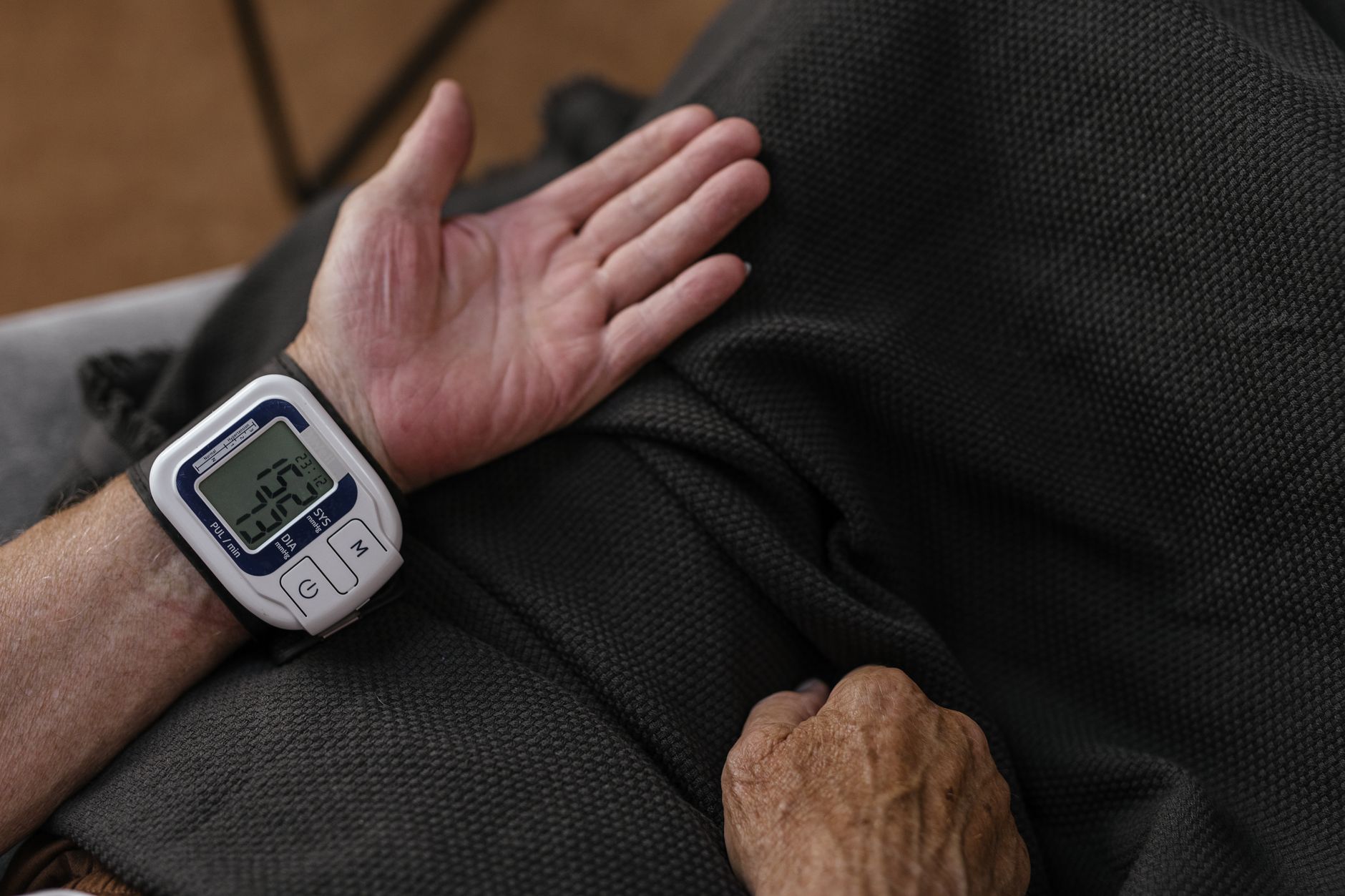
    Supine hypertension in Parkinson’s disease represents a paradoxical and clinically significant problem: patients experience elevated blood pressure while lying down, yet often develop severe orthostatic hypotension—dangerously low blood pressure upon standing. This apparent contradiction exists because Parkinson’s disease damages the autonomic nervous system, the network responsible for automatic regulation of blood pressure, heart rate, and other vital functions. A patient with advanced Parkinson’s might record a blood pressure reading of 160/90 mmHg while resting in bed, then experience a sharp drop to 95/55 mmHg within seconds of standing up, creating a dangerous mismatch between body positions that increases fall risk and cardiac complications.

    The connection between these two conditions reflects a fundamental breakdown in the autonomic system’s ability to redistribute blood volume and adjust vascular resistance. Rather than operating as separate problems, supine hypertension and orthostatic hypotension are often two expressions of the same underlying autonomic dysfunction. Understanding this relationship is essential for caregivers and patients, as treating one condition without accounting for the other can paradoxically worsen both.

    Table of Contents

    Why Does Parkinson’s Disease Cause Both Supine Hypertension and Orthostatic Hypotension?

    parkinson‘s disease progressively destroys neurons that produce dopamine, particularly in regions of the midbrain. But the damage extends far beyond motor control. The disease also affects the autonomic nervous system, specifically neurons in the locus coeruleus and other brainstem regions that release norepinephrine, a chemical messenger controlling blood vessel constriction and heart rate. In healthy people, lying down causes blood to pool naturally in the torso and head; the autonomic nervous system responds by reducing blood vessel constriction and heart rate to maintain stable pressure.

    When a person stands, the same system rapidly constricts blood vessels and increases heart rate to push blood upward against gravity, maintaining brain and heart perfusion. In Parkinson’s disease with autonomic involvement, this regulation becomes erratic. While lying flat, the system may fail to properly relax blood vessels and may retain excessive fluid in the blood vessels near the torso, resulting in elevated resting pressure. The same dysfunctional system then struggles to constrict vessels quickly when the person stands, causing blood to pool in the legs and a precipitous drop in brain perfusion. A person might lie in bed with a systolic pressure in the 150s, stand up, and within 30 seconds find their pressure has plummeted to the 80s or lower, creating dizziness, syncope (fainting), or falls.

    The Autonomic Damage Underlying the Blood Pressure Paradox

    The autonomic nervous system in Parkinson’s disease doesn’t simply weaken—it becomes dysregulated. Pathological protein deposits called Lewy bodies accumulate in autonomic ganglia and peripheral nerve fibers, disrupting the normal sequence of sympathetic (activating) and parasympathetic (calming) signals. This means the system may over-respond in some moments and under-respond in others, rather than maintaining smooth control. The result is that blood pressure regulation becomes unpredictable, and the two seemingly opposite conditions—high pressure lying down and low pressure standing—can coexist in the same patient on the same day.

    One major limitation of current understanding is that not all Parkinson’s patients develop both conditions. Some may have isolated orthostatic hypotension, others may have supine hypertension alone, and the severity of one does not predict the severity of the other. This variability reflects the heterogeneous nature of Parkinson’s disease itself—the pathology is not uniform across patients, and the extent of autonomic involvement differs significantly. A 72-year-old woman with moderate motor symptoms might have severe orthostatic hypotension but normal resting blood pressure, while a 65-year-old man with similar motor severity experiences pronounced supine hypertension with only mild orthostatic drops. This unpredictability underscores why individualized monitoring is essential.

    How Blood Pressure Dysregulation Creates a Vicious Cycle

    The relationship between supine hypertension and orthostatic hypotension is not purely coincidental—the two conditions can actively reinforce each other. When the body experiences chronically elevated resting blood pressure, the kidneys may respond by excreting excess sodium and water to normalize overall blood volume. This compensatory mechanism, while protective in isolation, becomes problematic when combined with the orthostatic component: the reduced blood volume that results from kidney compensation makes it even harder for blood vessels to maintain adequate pressure when the person stands. Conversely, some medications used to treat orthostatic hypotension can worsen supine hypertension, particularly if dosing is high or if the medication is taken close to bedtime.

    Another example of this cycle involves medication timing. A patient taking fludrocortisone (a drug that increases sodium and water retention to boost blood volume) might successfully reduce orthostatic symptoms during the day, only to experience worsening supine hypertension at night. If the dose is too high, the patient suffers from elevated nighttime pressure that disrupts sleep and increases cardiovascular strain. If the dose is reduced to control supine values, orthostatic symptoms return during waking hours. This tension between treating supine and standing blood pressures illustrates why Parkinson’s autonomic dysfunction is among the most challenging aspects of disease management.

    Monitoring and Recognizing the Pattern

    Proper diagnosis requires more than a single office blood pressure reading. Clinical assessment of both supine and orthostatic blood pressure is essential for identifying this dual problem. A standard test involves measuring blood pressure while the patient lies flat for at least five minutes, then again within one to three minutes of standing. Some clinicians use tilt-table testing or continuous ambulatory blood pressure monitoring to capture the full 24-hour pattern, including daytime, standing, and nighttime readings.

    Without this systematic measurement, supine hypertension may be missed because patients often focus on dizziness and fall risk from orthostatic drops, while the elevated resting pressure accumulates silently. For caregivers at home, recognizing the pattern means noting both morning blood pressures (typically highest when lying down) and post-positional readings (measured shortly after standing). A patient who reports feeling faint or unsteady when rising in the morning, yet has elevated readings on an automatic home cuff taken before getting out of bed, likely has this dual pathology. Keeping a brief log with timestamps—supine readings in the morning, orthostatic readings a few minutes after standing, and evening readings—helps identify trends that inform medical decision-making. One limitation is that home blood pressure monitors can be imprecise, especially at the extremes of high and low values, so clinical confirmation remains important.

    Treatment Challenges and the Risk of Unintended Harm

    Managing supine hypertension while preventing orthostatic hypotension presents a clinical paradox that has no perfect solution. Standard antihypertensive medications, such as ACE inhibitors or calcium channel blockers, lower blood pressure throughout the day and night, which can dangerously worsen orthostatic symptoms. Patients treated primarily for supine hypertension often experience syncope, falls, or myocardial infarction during periods of standing or activity. Conversely, therapies specifically designed to prevent orthostatic hypotension—such as fludrocortisone or midodrine—typically raise resting blood pressure and can significantly worsen supine hypertension, increasing the risk of stroke or left ventricular hypertrophy over time.

    A major limitation of current treatment approaches is the lack of a medication or intervention that selectively raises blood pressure when standing without also raising it when lying down. Some centers employ position-specific strategies, such as recommending compression stockings and water loading for daytime orthostatic prevention, combined with careful medication timing and evening dose reductions to minimize nighttime hypertension. However, these multimodal approaches require careful coordination and frequent adjustment, and they do not work equally well for all patients. The risk of under-treatment or over-correction is high, particularly in older patients with concurrent cardiovascular disease or kidney dysfunction.

    Medication Interactions and Parkinson’s-Specific Considerations

    The medications used to treat Parkinson’s motor symptoms—particularly dopamine agonists like pramipexole and ropinirole—can independently affect blood pressure regulation, adding another layer of complexity. Some patients experience worsening orthostatic symptoms when dopamine agonist doses are increased, while others may see improvements. Levodopa itself can cause acute blood pressure fluctuations, with some patients experiencing brief surges in pressure during dose peaks and relative drops between doses.

    When managing supine hypertension and orthostatic hypotension in a Parkinson’s patient, clinicians must consider not only dedicated cardiovascular medications but also the blood pressure effects of antiparkinson drugs. An older patient with Parkinson’s taking levodopa three times daily, pramipexole for motor control, and a standard blood pressure medication might experience a complex pattern: elevated pressure in the early morning before the first levodopa dose, fluctuating pressure during midday as doses peak and wane, and orthostatic symptoms when standing shortly after medication ingestion (when blood pools) or late in the afternoon (when drug effects decline and autonomic dysregulation is most pronounced). Adjusting one medication to improve one symptom often requires compensatory changes in another.

    The Role of Supine Positioning and Sleep in Blood Pressure Management

    Head-of-bed elevation is one simple, evidence-informed strategy for managing supine hypertension without pharmacologic intervention. Elevating the head and upper torso 30 to 45 degrees during sleep reduces hydrostatic pressure in the head and neck, potentially lowering central blood pressure without compromising orthostatic tolerance during the day. This approach mirrors gravitational therapy used in some sleep centers. However, for a Parkinson’s patient with tremor, rigidity, or balance impairment, maintaining an elevated sleeping position can be challenging—pillows may shift, side rails or wedges may not be tolerated, and the supine position itself may worsen other Parkinson’s symptoms such as sleep apnea or early-morning bradykinesia.

    A patient attempting to use a wedge pillow might slide down during the night, negating the benefit, or find that the inclined position triggers difficulty rolling or getting out of bed. Nighttime dipping—the normal 10- to 20-percent reduction in blood pressure that occurs during sleep—is often blunted or absent in Parkinson’s disease, meaning that evening and nocturnal blood pressures remain elevated despite the usual nighttime drop. This sustained hypertension during sleep hours contributes to end-organ damage and sleep fragmentation. When combined with orthostatic problems upon waking, the patient faces a compounded challenge: they may suffer from uncontrolled nighttime pressure, then experience severe dizziness and fall risk when rising in the morning. Careful timing of medications, positioning strategies, and selective use of shorter-acting blood pressure medications in the evening are among the few tools available for addressing this specific pattern.

    Frequently Asked Questions

    Can supine hypertension exist without orthostatic hypotension in Parkinson’s patients?

    Yes. Some Parkinson’s patients experience isolated supine hypertension or isolated orthostatic hypotension, depending on which autonomic functions are most affected by the disease. Both conditions reflect autonomic dysfunction, but they do not always occur together or with equal severity.

    Why do standard blood pressure medications sometimes make orthostatic symptoms worse?

    Standard antihypertensive drugs lower blood pressure throughout the day and night. In a Parkinson’s patient whose autonomic system is already impaired, this global reduction can push standing blood pressure dangerously low, increasing syncope and fall risk.

    How often should blood pressure be monitored in Parkinson’s patients with these conditions?

    At minimum, blood pressure should be measured in both supine and standing positions during clinical visits. Patients with known dual pathology may benefit from home monitoring with both morning (supine) and post-standing readings several times weekly, or more frequently if medications are being adjusted.

    Is elevated nighttime blood pressure in Parkinson’s a sign of worse overall disease?

    Loss of normal nighttime blood pressure dipping is associated with more severe autonomic involvement and increased cardiovascular risk, but it does not necessarily indicate worse motor symptoms or faster disease progression.

    Can physical therapies or positioning alone manage both supine hypertension and orthostatic hypotension?

    Physical strategies such as head-of-bed elevation, compression stockings, and gradual positional changes can help, but they rarely resolve both conditions completely. Most patients require some combination of positional measures, medication adjustment, and close monitoring.

    Should patients with Parkinson’s limit water or sodium intake to help with blood pressure control?

    Restricting sodium or water can worsen orthostatic hypotension by reducing blood volume. Management should be individualized; some patients benefit from adequate hydration and sodium intake to maintain blood volume for standing, while supine hypertension is managed through other means.


    You Might Also Like

  • Parkinson’s Research Trials: Disease Modification Now Outpaces Symptom Relief Approach

    Parkinson’s Research Trials: Disease Modification Now Outpaces Symptom Relief Approach

    Parkinson’s disease research has fundamentally shifted its focus over the past decade. Rather than pursuing only symptom management—the traditional approach of controlling tremor, rigidity, and slowness—researchers now prioritize disease-modifying therapies that could slow or halt the underlying neurological decline. This represents a watershed moment in how the medical community approaches Parkinson’s: moving from treating what patients feel to treating what is actually happening inside their brains. A patient diagnosed five years ago might have started on dopamine-replacement drugs designed purely to manage movement symptoms; today’s newly diagnosed patients are increasingly entering trials that aim to preserve remaining dopamine-producing neurons before further degeneration occurs.

    This shift reflects a hard-won understanding that symptom relief alone is insufficient. Medication can mask the problems but does not address the progressive loss of dopamine neurons in the substantia nigra—the brain region most affected by Parkinson’s. Disease-modifying approaches target the pathological processes themselves: inflammation, protein aggregation, mitochondrial dysfunction, and neuronal cell death. The transition has profound implications for trial design, patient expectations, and how caregivers and patients think about long-term disease management.

    Table of Contents

    How Does Disease Modification Differ from Managing Symptoms?

    Disease modification and symptom management operate on entirely different principles. Symptom relief addresses what a patient experiences—tremor slows, movement becomes easier, rigidity decreases—but the underlying disease progression continues. This is comparable to treating fever during an infection without addressing the infection itself; the patient feels better, but the condition advances. Disease-modifying therapies, by contrast, target the pathological processes that cause neuronal death, potentially preserving function for longer periods or slowing decline measurably.

    The practical difference becomes clear over time. A patient on dopamine agonists for five years may experience progressive symptom worsening as neurons continue to die, eventually requiring escalated doses or medication combinations. A patient in a disease-modifying trial, if successful, might maintain baseline function longer before symptomatic decline emerges. Some approaches aim to prevent symptom emergence entirely in asymptomatic carriers of genetic risk factors. The distinction is not academic—it changes everything from medication titration schedules to disability progression timelines.

    The Complexity of Proving Disease Modification

    Demonstrating disease modification is far more challenging than showing symptom improvement. Symptom relief can be measured in days or weeks through patient questionnaires and motor testing. Disease modification requires measuring neuronal preservation over years, often using surrogate markers like cerebrospinal fluid biomarkers or positron emission tomography imaging of dopamine transporter binding. These biomarkers correlate with neuronal loss but are not yet perfect proxies for what ultimately matters: how much functional decline a patient experiences.

    A significant limitation in disease-modification research is that trials must often be longer and more costly than symptom-management studies. A three-month trial showing levodopa reduces tremor is straightforward; a three-year trial showing a compound slows dopamine neuron loss requires sustained enrollment, expensive imaging, and careful biomarker monitoring. Some compounds show promise in animal models or early human studies but fail in later-stage trials, consuming research resources and delaying other potential therapies. Additionally, the long timeline means patients enrolled in disease-modification trials may not see personal benefit for years, complicating recruitment and retention.

    Therapeutic Approaches Targeting Disease Mechanisms

    Multiple mechanistic targets are being pursued in current research. Neuroinflammation—abnormal immune activation in the brain—features in numerous trials, as activated glial cells appear to accelerate dopamine neuron loss. Other approaches address alpha-synuclein, a protein that accumulates abnormally in Parkinson’s disease; some therapies aim to prevent its aggregation, while others attempt to clear accumulated protein. Mitochondrial dysfunction, oxidative stress, and genetic pathways like those involving LRRK2 or GBA mutations are also active research areas.

    Monoclonal antibodies targeting specific proteins represent one emerging category. Gene therapy approaches, originally developed for other neurological conditions, are being adapted for Parkinson’s. Small-molecule drugs that cross the blood-brain barrier remain challenging to develop because the brain’s protective barriers exclude many compounds. Each approach carries different risks and requires different trial designs; a neuroprotective drug must be safe over potentially decades of use, raising toxicity concerns that symptomatic treatments do not face to the same degree.

    What Changes in Clinical Care and Patient Counseling

    The shift toward disease-modifying trials affects how patients approach diagnosis and treatment. Previously, newly diagnosed patients typically started on symptomatic medications and did not enter trials unless symptoms became problematic. Today, earlier trial entry is increasingly recommended, particularly for patients with genetic risk factors or biomarker evidence of neurodegeneration. This requires different conversations between neurologists and patients—explaining that joining a trial early, when asymptomatic or minimally symptomatic, may provide the greatest benefit.

    Caregivers and patients also must adjust expectations about timelines. Disease-modifying approaches demand long-term commitment with uncertain individual outcomes; not every trial succeeds, and even successful therapies may produce modest slowing of decline rather than reversal or halt. This contrasts with the immediate gratification of symptomatic treatment, where a patient takes medication and feels noticeably better within hours or days. Counseling must address the reality that a patient may invest years in a trial only to learn the intervention did not significantly alter their personal disease trajectory, even if it showed population-level benefit.

    Safety and Monitoring Challenges in Long-Term Trials

    Disease-modification trials require intense monitoring because they cannot rely solely on patient-reported symptoms to detect problems. Biomarker collection—lumbar punctures for cerebrospinal fluid, positron emission tomography scans, magnetic resonance imaging—adds burden, cost, and small but real risks. Some patients withdraw from trials due to monitoring burden alone, not because of medication side effects.

    Additionally, the compounds being tested often target broad biological processes; an anti-inflammatory drug that protects dopamine neurons might inadvertently impair immune responses elsewhere, creating risks that only long-term follow-up reveals. Another challenge is that disease-modification trials often exclude patients taking existing symptomatic medications, or require washout periods that make patients feel significantly worse temporarily. This barrier to entry means sicker patients or those whose symptoms are already poorly controlled are underrepresented in trials, limiting generalizability of results. Some disease-modifying trials also restrict enrollment by age, genetic status, or biomarker criteria, making it difficult for a newly diagnosed patient to identify a trial they actually qualify for.

    Asymptomatic and Presymptomatic Patient Recruitment

    An emerging focus is recruiting asymptomatic individuals with genetic mutations known to cause Parkinson’s or with biomarker evidence of neurodegeneration. These individuals have measurable brain pathology but no symptoms yet. Treating them before symptoms emerge offers a theoretical advantage—stopping disease before substantial damage occurs—but also raises ethical questions.

    An asymptomatic carrier who enters a trial and experiences medication side effects faces a tradeoff that symptomatic patients do not: side effects from a drug they did not need yet. Presymptomatic trials require entirely new informed consent frameworks. Participants must understand that they will likely not benefit personally from the trial; the benefit, if any, would appear decades later as delayed symptom onset. Enrollment depends on genetic counseling, psychological support, and willingness to undergo frequent monitoring.

    What Patients Should Know About Entering a Disease-Modification Trial

    Patients considering trial participation should understand that disease-modifying approaches are investigational and results are not guaranteed. Reading the trial protocol carefully to understand what is being measured, how long commitment extends, what imaging or procedures are required, and what medications are involved is essential.

    Some trials compare the investigational drug to placebo, meaning some participants receive no active treatment; others are open-label, where both patient and researcher know the treatment being given. Discussing trial participation with a neurologist experienced in Parkinson’s research is valuable because such physicians can contextualize whether a particular trial’s approach aligns with the patient’s disease stage, genetic status, and personal goals. Patients should also understand that even if they enroll, they can withdraw at any time; trials depend on voluntary participation, and no patient should feel obligated to continue.

    Frequently Asked Questions

    What is the difference between a disease-modifying drug and a symptomatic drug?

    Symptomatic drugs like levodopa or dopamine agonists reduce tremor, stiffness, and slowness but do not slow neuronal loss. Disease-modifying drugs aim to preserve dopamine neurons or slow their degeneration. Symptom relief is felt within days; disease modification requires years to measure.

    Can I be in a disease-modifying trial if I’m already on levodopa?

    It depends on the trial. Some trials require washout of existing medications; others allow concurrent symptomatic treatment. Discuss specific trials with your neurologist, as washout periods can cause significant worsening temporarily.

    How long do disease-modification trials typically last?

    Many last two to three years, though some extend longer. Because they measure neurodegeneration rather than symptom changes, trials require more sustained participation than symptomatic medication studies.

    What if the trial drug doesn’t work for me personally?

    Even in trials that show population-level benefit, not every participant experiences the same degree of slowing. You may enroll, complete the trial, and find that your disease still progressed, even if the drug worked statistically across the entire study group.

    Are there trials for asymptomatic people?

    Yes, increasingly. Trials targeting genetic carriers or asymptomatic people with biomarker evidence of neurodegeneration are recruiting. These trials aim to prevent symptom onset, but participants face side effects from medications they did not yet need symptomatically.


    You Might Also Like

  • How Tremors and Dyskinesia Differ in Advanced Parkinson’s Disease Progression

    How Tremors and Dyskinesia Differ in Advanced Parkinson’s Disease Progression

    Tremors and dyskinesia are two distinct forms of involuntary movement in advanced Parkinson’s disease, yet they arise from different mechanisms and respond differently to treatment. While tremors—the rhythmic, shaking movements often present early in Parkinson’s—stem from disrupted neural circuits in the basal ganglia, dyskinesia typically develops later as a complication of prolonged levodopa therapy, manifesting as fluid, jerking, or writhing motions that can consume hours of the day. Understanding this difference is critical for patients and caregivers, because mistaking one for the other can lead to inappropriate medication adjustments that worsen symptoms.

    A patient with advanced Parkinson’s might experience a visible rest tremor in their hand during quiet moments—a symptom that may have existed for years—while simultaneously struggling with involuntary arm swinging and torso twisting during peak medication hours. These two movements coexist in many people but require separate management strategies. Tremors may actually decrease in advanced disease as rigidity takes over, whereas dyskinesia tends to escalate as the cumulative effects of levodopa and progressive neurodegeneration interact.

    Table of Contents

    What Distinguishes Tremor from Dyskinesia in Parkinson’s Pathology?

    tremors in Parkinson’s disease originate from instability within the basal ganglia circuits that regulate motor control. The characteristic resting tremor—typically a “pill-rolling” motion of the fingers—occurs because dopamine loss disrupts the balance between direct and indirect motor pathways. This tremor is usually present at rest, diminishes with intentional movement, and may worsen under emotional stress. In contrast, dyskinesia arises not primarily from dopamine depletion itself, but from the brain’s chronic adaptation to fluctuating dopamine levels created by levodopa dosing schedules.

    Levodopa-induced dyskinesia (LID) represents a fundamental difference in mechanism: it emerges after years of pulsatile dopamine replacement, altering the sensitivity and signaling properties of striatal neurons. Where tremor reflects the underlying neurodegenerative process, dyskinesia reflects the interaction between that process and long-term medication exposure. A patient who has taken levodopa for ten years is far more likely to experience dyskinesia than one on the medication for two years, even if both have equivalent disease progression. This is why dyskinesia remains one of the most common and challenging motor complications in advanced Parkinson’s, affecting up to 90% of patients after ten years of levodopa use.

    Clinical Presentation and Temporal Patterns of Each Movement Type

    The visible characteristics of tremor and dyskinesia differ markedly. Tremor appears as a regular, repetitive oscillation—often 4 to 6 cycles per second—that may involve the hands, chin, or legs. It typically worsens when the affected limb is at rest and improves with purposeful activity or distraction. Dyskinesia, by contrast, presents as irregular, flowing movements that intensify during peak medication effect and can involve multiple body segments simultaneously: the head may turn repeatedly, the arms may flail or writhe, and the trunk may sway, all without rhythm or predictability.

    Temporal patterns reveal another critical distinction. Tremor persists relatively consistently throughout the day, though it may fluctuate with fatigue, anxiety, or medication timing. Dyskinesia follows a narrow window aligned to medication absorption, typically peaking one to two hours after a levodopa dose, then subsiding as the drug wears off. A person with peak-dose dyskinesia might be unable to eat or perform fine motor tasks during these windows, then regain relative control during “off” periods when dyskinesia diminishes but overall motor rigidity increases. This creates a clinical paradox: some patients paradoxically feel more controlled during medication-off periods despite experiencing increased Parkinsonian symptoms.

    How Tremor and Dyskinesia Progress Through Disease Stages

    Tremor’s trajectory through Parkinson’s disease stages is variable and often counterintuitive. Early disease frequently features prominent resting tremor, particularly in the “tremor-dominant” subtype of Parkinson’s. However, as disease advances and rigidity becomes more severe, the tremor may actually diminish or disappear, masked by the stiffness that locks muscles in place. In advanced stages, some patients who began with pronounced tremor experience a paradoxical reduction in shaking, leaving them with predominantly rigid or akinetic symptoms. Others maintain tremor alongside other motor features, creating a complex symptom profile.

    Dyskinesia, conversely, shows a more predictable escalation tied to disease duration and cumulative medication exposure. Early-stage patients rarely develop dyskinesia; it begins appearing around five to ten years after levodopa initiation. Once present, it typically worsens progressively, expanding to involve more body regions and consuming longer portions of the medication cycle. What begins as subtle finger dyskinesia during peak-dose periods can evolve into full-body dyskinesia lasting hours, eventually overlapping with “off-period” dyskinesia, a more severe variant that occurs when medication levels are low. This progression creates an increasingly narrow window of functional movement as dyskinesia expands and medication off-time increases.

    Medication Response and Treatment Implications

    The pharmacological responses to tremor and dyskinesia diverge significantly, creating treatment challenges in advanced disease. Tremor often responds well to anticholinergic medications such as benztropine, particularly in early disease, though this response can diminish over time. Levodopa reduces tremor by restoring dopamine signaling, but tremor improvement may not correlate with overall motor function improvement—some patients gain smoother movement in other areas while tremor persists. Beta-blockers can suppress tremor through peripheral mechanisms, though central tremor in Parkinson’s is less responsive than essential tremor to these drugs.

    Dyskinesia, meanwhile, does not respond predictably to levodopa dose increases; in fact, higher doses typically worsen it. Treatment involves either reducing levodopa exposure—a strategy that worsens “off” period rigidity and bradykinesia—or adding agents that modulate dopamine signaling, such as dopamine agonists (pramipexole, ropinirole), amantadine, or deep brain stimulation (DBS). Amantadine deserves special mention: it is the only medication with robust evidence for reducing established dyskinesia, yet it requires careful monitoring because it can paradoxically worsen Parkinson’s symptoms in some patients and may cause confusion or hallucinations in older adults. DBS for dyskinesia reduction targets the globus pallidus interna (unlike DBS for tremor, which targets the subthalamic nucleus), demonstrating that the neural substrates differ.

    Complications and Management Limitations

    Both tremor and dyskinesia present management challenges that intensify in advanced disease, but the nature of those challenges differs. Tremor, while often visible and socially noticeable, is usually less functionally disabling than its appearance suggests. A patient with prominent tremor can often perform fine motor tasks once movement begins. The primary limitation is psychological: visible tremor carries stigma, and tremor-induced fatigue from constant muscle contraction can accumulate over hours. Additionally, tremor sensitivity to stress and fatigue means that emotional management becomes part of medical management—counseling or anxiety treatment can sometimes reduce tremor substantially, a benefit not available for dyskinesia.

    Dyskinesia presents more fundamental functional limitations. The involuntary movements directly impair the ability to eat, speak, write, or perform any coordinated task during peak-dose periods. Unlike tremor, dyskinesia cannot be overcome by conscious effort—attempting to suppress it often worsens it. A critical limitation in dyskinesia management is the “levodopa dilemma”: reducing levodopa dose to suppress dyskinesia creates or worsens motor off-period disability (rigidity, bradykinesia, freezing), leaving patients choosing between one disabling symptom and another. This is why dyskinesia management often requires multifaceted approaches combining medication adjustment, DBS consideration, and occupational strategy rather than a single pharmaceutical solution. Advanced dyskinesia can eventually limit a patient’s independence more than the underlying Parkinson’s motor deficits.

    Distinguishing Atypical Movement Presentations

    In advanced disease, distinguishing tremor and dyskinesia from other involuntary movements becomes clinically important. Some patients develop dystonia—sustained muscle contractions that twist the body into abnormal postures—which can coexist with both tremor and dyskinesia. Dystonia is often worse during medication off-periods and early morning, differs from dyskinesia by its sustained (rather than flowing) quality, and requires different management (botulinum toxin injections or increased dopaminergic medication during off-times). Misidentifying dystonia as dyskinesia can lead to levodopa reduction that worsens the dystonia substantially.

    Another distinction involves myoclonus, brief jerking movements distinct from both tremor’s rhythmic quality and dyskinesia’s fluid irregularity. Myoclonus in Parkinson’s is less common but can develop with advanced disease or medication complications. The historical context matters too: a patient whose involuntary movements began within the first few years of levodopa therapy is almost certainly experiencing dyskinesia, whereas movements present from disease onset suggest tremor. When timing is ambiguous, video documentation of the movement during medication peak and trough periods provides objective evidence of which condition predominates.

    Practical Strategies for Functional Optimization in Advanced Disease

    Managing daily life with both tremor and dyskinesia requires tailored accommodation strategies. For tremor, occupational therapists often recommend weighted utensils, adaptive gripping devices, and positioning strategies that stabilize affected limbs during tasks. Some patients find that consciously engaging in an activity reduces tremor visibility through central override of tremor circuits—intentional movement suppresses resting tremor. Clothing choices matter: loose sleeves reduce awareness of arm tremor, and styling hair or grooming during lower-tremor periods (often early morning) improves outcomes. These adaptations address tremor’s primarily cosmetic and fatigue-related effects.

    Dyskinesia management focuses on timing: organizing meals, medications, and social activities around predicted medication windows—eating during off-periods when dyskinesia is absent, scheduling important conversations during low-dyskinesia times. Some patients benefit from extended-release levodopa formulations that create flatter dopamine levels, reducing the sharp peaks that trigger peak-dose dyskinesia. Others find that smaller, more frequent levodopa doses spread throughout the day reduce dyskinesia compared to fewer, larger doses. The challenge remains that no single timing strategy works universally; individual response to dosing patterns is highly variable. Advanced cases often require specialist-guided medication redesign, sometimes involving addition of agents like amantadine or consideration of surgical interventions, recognizing that functional improvement in dyskinesia may require accepting some worsening of other Parkinsonian features.

    Frequently Asked Questions

    Can a person have both tremor and dyskinesia at the same time?

    Yes. Many patients in advanced Parkinson’s experience both simultaneously. For example, a patient might have a persistent rest tremor in one hand while experiencing peak-dose dyskinesia in the arms and trunk. They are independent phenomena that can coexist.

    Why does my tremor sometimes get better when I take my levodopa?

    Levodopa restores dopamine signaling in the basal ganglia, which often reduces Parkinsonian tremor by stabilizing the circuits that generate it. However, this improvement may vary depending on the subtype of tremor and individual neurochemistry.

    Is dyskinesia the same as rigidity or stiffness?

    No. Rigidity and stiffness result from difficulty initiating and sustaining movement—they represent poverty of movement. Dyskinesia is the opposite: involuntary excessive movement. Patients can experience both in different periods of their medication cycle.

    If dyskinesia is caused by levodopa, why can’t we just stop taking it?

    Stopping levodopa causes severe worsening of Parkinsonian symptoms—profound rigidity, freezing, and inability to move—often more disabling than dyskinesia itself. The goal is finding the optimal balance, not eliminating levodopa entirely.

    Does deep brain stimulation cure tremor and dyskinesia?

    DBS can substantially reduce both, but “cure” overstates the effect. DBS targeting the subthalamic nucleus primarily helps tremor, while targeting the globus pallidus interna is better for dyskinesia. Many patients maintain some residual symptoms and still require levodopa after DBS.

    Will my tremor definitely progress to dyskinesia as my disease advances?

    Not necessarily. Tremor and dyskinesia are independent features. Some patients maintain tremor throughout their disease without developing clinically significant dyskinesia, particularly if their levodopa regimen is optimized. Others develop dyskinesia without ever having prominent tremor.


    You Might Also Like

  • Art Therapy: How Parkinson’s Patient Rediscovered Purpose After Retirement

    Art Therapy: How Parkinson’s Patient Rediscovered Purpose After Retirement

    Art therapy offers Parkinson’s patients a pathway to rediscover meaning and purpose after retirement, when the loss of work structure and identity often hits hardest. Unlike talk therapy or traditional cognitive exercises, art therapy engages both the brain and body through creative expression, helping patients move beyond the limitations that Parkinson’s imposes. A patient might spend decades in a career, building identity around their professional role, and when that role ends—especially after a Parkinson’s diagnosis—the psychological weight can be as heavy as the motor symptoms.

    When a retired accountant picks up a paintbrush for the first time in forty years, something shifts. The act of creating art bypasses some of the rigidity and tremor that Parkinson’s creates, allowing the person to communicate feelings that words or structured conversation cannot reach. Art therapy isn’t about producing gallery-worthy work; it’s about the process itself becoming a reason to get out of bed, to engage with the world, and to prove to oneself that life has shape and meaning beyond a disease diagnosis.

    Table of Contents

    How Art Therapy Addresses the Emotional Crisis of Retirement With Parkinson’s

    Retirement was meant to be freedom, but for many Parkinson’s patients, it becomes a collision of loss: loss of routine, loss of professional identity, loss of daily purpose, and now loss of physical capability. This compounding loss often triggers depression, anxiety, and a profound sense of being sidelined. Art therapy directly addresses this crisis by creating new structures and new identities within the creative realm. The beauty of art is that it demands presence but not perfection. A person with tremor can paint deliberately and expressively; the hand movements that frustrate them during eating become intentional brushstrokes on canvas.

    A sculptor with rigidity finds that working with clay in small, focused movements actually feels more possible than many everyday tasks. Unlike returning to work or pursuing new hobbies that require extensive physical ability, art-making adapts to where the body is now. A participant in a Parkinson’s art program might discover that watercolor or collage feels more accessible than oil painting; that discovery itself becomes part of the journey, not a failure. Comparison matters here: someone taking a Parkinson’s medication class learns facts about their disease, which can increase anxiety. Someone in art therapy learns what they are still capable of creating, which can increase hope. Both have a role, but art therapy uniquely rebuilds agency and self-image rather than reinforcing the illness narrative.

    The Creative Brain and Motor Symptom Management During Art-Making

    The act of creating art engages neural pathways that Parkinson’s disease affects differently than it affects routine motor control. When focused on a creative task, some patients report that tremor seems less intrusive or that rigidity loosens slightly. This isn’t a cure; it’s a neurological phenomenon where concentrated attention and purposeful movement can temporarily shift how symptoms are experienced. The basal ganglia dysfunction that causes Parkinson’s affects automatic movements severely but can sometimes spare movement tied to intention and imagination. Art also provides a form of cognitive engagement that protects against the depression and cognitive decline that often accompany Parkinson’s. The problem-solving involved in composition, color mixing, perspective, or material choice exercises the brain in ways that passive activities do not.

    A patient deciding whether a painting needs more warmth or coolness in a particular corner is engaging executive function, creativity, and decision-making—all cognitive domains that Parkinson’s can threaten over time. However, there is a real limitation: art therapy does not slow disease progression or improve motor function over time the way physical therapy or certain medications might. A person with advanced Parkinson’s who develops severe tremor may genuinely struggle to hold a brush or sculpt. Adaptive tools exist—weighted brushes, easels that stabilize canvas, modified grips—but they are not universal solutions. Art therapy works best when introduced early or when the person has the physical capacity to engage, and it may need to be reimagined as the disease progresses. Expecting art alone to manage motor symptoms is a misunderstanding that can lead to frustration.

    Rebuilding Identity Beyond the Disease Diagnosis

    Before Parkinson’s, a person had an identity shaped by work, family roles, hobbies, and accomplishments. The disease doesn’t erase those identities, but it pressures them: a teacher can no longer teach if tremor makes writing on the board impossible; a gardener cannot garden if balance is compromised; a golfer cannot golf if rigidity and bradykinesia steal the fluidity of the swing. Parkinson’s becomes a new, unwanted identity that can overshadow all others. Art therapy creates space for identity reconstruction. A retired engineer who spent forty years solving problems through logic and precision might discover visual thinking through painting—a completely different way of engaging her analytical mind. She is still thinking, still creating, still problem-solving, but through a new lens.

    Over weeks and months, she stops introducing herself as “I have Parkinson’s” and starts saying “I’m taking an art class” or “I’m exploring mixed media.” The shift is subtle but profound. She is no longer primarily a person with a disease; she is an artist who happens to have Parkinson’s. This reframing is fragile and requires time. It typically doesn’t happen in a single session or even a month of classes. It requires consistency, a supportive environment, and permission to make “bad” art without judgment. Some art therapists who work with Parkinson’s patients deliberately avoid praise or critique, instead focusing on the experience of making. This contrasts with typical art instruction, where skill and output matter; in therapeutic art, the maker’s emotional and psychological engagement matters most.

    Finding and Starting Art Therapy as a Parkinson’s Patient

    Art therapy can be accessed through several pathways: some neurologists or movement disorder specialists refer patients to certified art therapists; some Parkinson’s organizations offer art classes; some community centers or hospitals run programs; and some patients find private art therapists who have experience with neurological conditions. The type of art matters less than the fit between patient and setting. A person who has always loved drawing might lean toward painting or printmaking; someone tactile might prefer sculpture, ceramics, or fiber arts. Someone intimidated by the blank page might start with collage, which uses pre-made materials and removes the pressure of drawing from scratch. The practical tradeoff is between structure and autonomy.

    A formal art therapy program—often 6 to 12 weeks, one session per week—provides consistency, professional guidance, and peer support; it removes decision-making about “what to do” and creates accountability. But it also requires leaving home, potentially dealing with transportation challenges, and committing to a specific medium and schedule. A private art therapist offers customization and privacy but costs more money and requires self-direction in transportation and scheduling. Casual art at home—taking up painting in the garage—requires no financial outlay and no commute, but it lacks professional guidance and peer connection. Many patients find that starting in a structured class and then continuing at home strikes the right balance.

    When Art Therapy Reaches Its Limits and What Else Is Needed

    Art therapy is not a substitute for medical management of Parkinson’s. Someone whose tremor has become severe, whose cognition has declined, or whose depression is profound may need medication adjustment, physical therapy, occupational therapy, or psychiatric care before or alongside art therapy. A warning: if a Parkinson’s patient is offered art therapy as a primary treatment for motor symptoms or as a reason to delay or avoid medical care, that is a red flag. Art therapy is a complement to medical and rehabilitative care, not a replacement. Additionally, not every person will find art therapy healing or even tolerable. Someone who is deeply depressed may lack motivation to attend class or try new activities, and pushing them too hard can backfire.

    Someone with significant cognitive impairment may struggle to follow instructions or may become frustrated by the demands of creative work. Someone with aphasia or speech difficulties who might benefit from non-verbal communication through art may need extra support from a therapist trained in both art therapy and speech/language challenges. Art therapy works best when it is chosen by the person or at least accepted by them, not imposed. The emotional toll of Parkinson’s—the grief, the anger, the loss of hope—may require traditional therapy, support groups, or medication to address alongside art-making. Art can be a container for difficult feelings, but it cannot resolve all of them. A patient might create a powerful painting about anger and still need to discuss that anger with a therapist and possibly adjust antidepressant medication. The combination of approaches is often what actually works.

    Peer Connection and Community in Art Therapy Programs

    One underestimated benefit of group art therapy is the social connection. Isolation is a significant risk factor for depression in Parkinson’s patients, and many withdraw from activities as the disease progresses. Attending an art class weekly, even if only to work in the same room as others, breaks that isolation. A patient might not say much during class, but knowing that others in the room also have Parkinson’s, also struggle with frustration and loss, and are also creating—that knowledge is grounding.

    Some Parkinson’s organizations have developed dedicated art programs where all participants have the diagnosis. Others offer art classes as part of mixed-disability or general community classes. Both models have value. The dedicated programs provide deep understanding of Parkinson’s-specific challenges, but general classes offer the experience of being among people without the disease, which can feel normalizing. A person taking a painting class alongside retirees and artists without illness experiences herself as a participant in a human activity, not as a patient in a treatment setting.

    The Neurological Basis for Why Creative Expression Matters in Advanced Parkinson’s Disease

    Research has suggested that creative activities may engage alternative neural pathways in people with Parkinson’s disease. Because the disease primarily affects the basal ganglia and dopaminergic systems, activities that rely on cortical and non-dopaminergic pathways—such as voluntary, intentional, creative movement—may be relatively preserved. A person with Parkinson’s who struggles to walk automatically may find that dancing with a partner or painting with deliberate strokes feels more possible. This doesn’t mean creative work restores lost dopamine or reverses damage, but it does mean that creative engagement may feel physically less constrained than automatic, habitual movement. For a 68-year-old retired librarian diagnosed with Parkinson’s five years ago, art therapy became the frame through which she rebuilt her life after retirement and diagnosis overlapped.

    She started with a six-week beginner’s painting class at a local Parkinson’s center, attending weekly despite some skepticism. Within three months, she had rearranged her guest bedroom into a studio, was buying supplies online, and had filled sketchbooks with studies of houseplants and neighborhood scenes. She never became an accomplished painter, nor was that the goal. What changed was that she had reclaimed time as something to fill with purpose rather than endure as emptiness. The diagnosis and the disease remained, but they were no longer the dominant narrative of her days.

    Frequently Asked Questions

    Do I need prior art experience to benefit from art therapy for Parkinson’s?

    No. Art therapy for Parkinson’s is not about skill or prior experience; it’s about the process of creating and engaging with materials. Complete beginners often find art therapy most freeing because they have no self-imposed standards for what their work “should” look like.

    How often should someone with Parkinson’s attend art therapy to see benefits?

    Most programs meet once weekly for 6 to 12 weeks. Benefits can begin appearing within a few sessions, though deeper identity and purpose shifts typically emerge over months. Consistency matters more than duration.

    Can art therapy help with Parkinson’s motor symptoms like tremor or rigidity?

    Art therapy does not cure or significantly reverse motor symptoms. However, some patients report that focused, intentional creative movement feels more manageable than automatic movement, and the engagement may temporarily shift how symptoms feel. Medical management remains essential.

    What types of art work best for someone with advanced Parkinson’s?

    This depends on physical ability. Painting, drawing, collage, sculpture, and fiber arts are common. Adaptive tools (weighted brushes, easels, modified grips) can expand what is accessible. Working with a therapist familiar with Parkinson’s helps match materials to current capability.

    Is art therapy covered by insurance?

    Coverage varies widely by insurance plan and region. Some plans cover art therapy if referred by a physician; others do not. Contacting your insurance provider or asking your neurologist about covered referral options is the best first step.

    Can art therapy address depression related to Parkinson’s?

    Art therapy can support emotional processing and provide a sense of purpose and agency, which are protective against depression. However, significant depression may require medication, talk therapy, or both. Art therapy works best as part of a comprehensive approach to mental health.


    You Might Also Like

  • Amneal Pharmaceutical Lawsuit Challenges Generic Parkinson’s Medication Copies 2026

    Amneal Pharmaceutical Lawsuit Challenges Generic Parkinson’s Medication Copies 2026

    The specific lawsuit named “Amneal Pharmaceutical Lawsuit Challenges Generic Parkinson’s Medication Copies 2026” does not appear in current publicly available legal databases, SEC filings, court records, or news sources. Despite comprehensive searches across legal tracking platforms, pharmaceutical news outlets, and official court documents, no verified reports exist about Amneal Pharmaceuticals filing a lawsuit specifically targeting generic copies of Parkinson’s medications in 2026. This absence is notable because major pharmaceutical litigation typically receives media coverage and appears in documented legal databases.

    However, Amneal Pharmaceuticals has faced significant legal challenges in 2026 that do affect medication access and pricing. These actual cases provide important context for understanding the legal landscape affecting generic drug manufacturers and, by extension, Parkinson’s disease treatment availability. What follows is based on verified information about Amneal’s documented legal matters, rather than an unsubstantiated lawsuit that may exist under different details or may not be publicly documented.

    Table of Contents

    Amneal Pharmaceuticals is currently defending against multiple legal proceedings that have real consequences for medication access. In April 2026, a federal court determined there was sufficient evidence for a jury to conclude that Amneal participated in a price-fixing conspiracy involving an epilepsy medication—a case that illustrates how generic drug manufacturers can face antitrust scrutiny. The company has also been involved in ongoing patent and antitrust litigation in New Jersey District Court involving Teva Pharmaceuticals, with the case last updated in May 2026.

    These real cases, unlike the alleged Parkinson’s lawsuit, have documented court proceedings and public legal filings. The distinction matters for Parkinson’s patients because the types of litigation Amneal faces—price-fixing accusations and patent disputes—directly affect drug pricing and availability of generic alternatives. When generic manufacturers are tied up in antitrust cases or patent disputes, the resolution can take years, during which patients may have limited access to cheaper generic options. The price-fixing case, while involving an epilepsy drug rather than Parkinson’s medication, demonstrates the regulatory environment that generic manufacturers navigate, which includes intense scrutiny from state attorneys general.

    Why Might Information About This Lawsuit Be Difficult to Find?

    If a lawsuit exists under a different title, set of details, or legal classification than commonly expected, it could be documented but not readily accessible through standard web searches. Some litigation exists in non-public legal proceedings, particularly if disputes involve settlement negotiations under confidentiality agreements. Another possibility is that information exists primarily in specialized legal databases that require subscription access, such as PACER (Public Access to Court Electronic Records) for federal courts, which is searchable but not indexed by standard search engines.

    A significant limitation exists: media coverage of pharmaceutical litigation is inconsistent. While major cases like the price-fixing suit or high-profile patent disputes receive attention from legal news outlets, smaller litigation or cases filed under procedural names that don’t highlight the company’s name may go unreported in general-interest sources. For Parkinson’s patients and caregivers seeking reliable information about medication access issues, this inconsistency in reporting creates a knowledge gap. Verifying litigation requires checking multiple sources—court dockets, SEC filings, legal tracking platforms, and news databases—rather than relying on a single search.

    Amneal Pharmaceuticals reported $21.2 million in legal charges in the first quarter of 2026, primarily related to unspecified legal matters according to SEC filings. This figure reflects the substantial costs of defending against multiple lawsuits simultaneously. When generic drug manufacturers face significant legal expenses, those costs can eventually be reflected in drug pricing or in decisions about which medications to continue producing. For a manufacturer like Amneal, which produces multiple generic medications across various therapeutic categories, legal distractions and expenses can affect their capacity to bring new generics to market or maintain existing product lines.

    The patent and antitrust case involving Teva represents the type of protracted litigation that can take several years to resolve. Such cases often involve disputes over Orange Book listings—the FDA’s registry of approved drugs and their patents—which determine when generic versions can legally enter the market. When manufacturers dispute these listings or face antitrust allegations related to patent strategy, the result is delayed generic entry, which can keep prices higher for patients who depend on these medications. This is a concrete example of how legal challenges at pharmaceutical companies, even when not specifically about Parkinson’s drugs, create barriers to affordable treatment.

    Understanding Generic Drug Litigation and Patient Access

    Generic drug litigation typically falls into a few categories: patent disputes, pricing conspiracies, and regulatory compliance challenges. The litigation involving Amneal demonstrates at least two of these categories. Patent disputes arise when brand-name manufacturers claim that generics infringe their patents, delaying market entry for the cheaper version. Pricing conspiracy cases, like the epilepsy medication case Amneal faces, involve accusations that competing generic manufacturers agreed to keep prices artificially high. For Parkinson’s patients, the practical difference is significant: patent delays mean paying brand-name prices longer, while pricing conspiracies mean paying higher-than-competitive generic prices once they do enter the market.

    The tradeoff patients face is between immediate access and affordability. When litigation blocks or delays generic entry, patients can access the medication but at a higher cost. When pricing conspiracies exist, patients theoretically have a generic option but may pay more than they should. Amneal’s combination of price-fixing accusations and patent disputes illustrates how generic manufacturers can impact patient access through multiple legal pathways simultaneously. A patient taking Amneal-manufactured Parkinson’s medications would theoretically be unaffected by Amneal’s litigation over epilepsy drugs, but if Amneal faces production constraints due to legal expenses or decides to exit certain markets, even Parkinson’s medication availability could be disrupted.

    Why Verifying Pharmaceutical Litigation Information Matters for Patients

    Misinformation about pharmaceutical lawsuits can lead patients to make incorrect assumptions about medication safety or availability. A lawsuit described in unverified online discussions might suggest that certain generic medications are unsafe or about to be removed from the market, when in reality the litigation involves pricing or patent claims unrelated to drug safety. For Parkinson’s patients and caregivers already managing the stress of the disease, additional anxiety from unsubstantiated legal claims adds unnecessary burden. The warning here is direct: not all legal claims circulating online are documented in official sources.

    Before concluding that a specific lawsuit exists or that a manufacturer is facing specific charges, checking SEC filings, court databases, and legal news outlets is essential. Amneal’s actual documented lawsuits are serious enough without embellishment. The company faces real antitrust scrutiny and litigation costs that do affect the broader generic drug ecosystem. For patients seeking reliable information about their medications, the distinction between verified litigation and claims that cannot be substantiated in public records is critical to making informed decisions about their treatment.

    How Pharmaceutical Litigation Affects Parkinson’s Treatment Options

    Parkinson’s disease medications include several drugs where generic versions exist or are expected. Carbidopa/levodopa, the most common Parkinson’s drug, has generic manufacturers including both major companies and smaller producers like Amneal. When manufacturers face significant legal and financial pressures, production capacity and product lines can shift.

    A company defending against multiple lawsuits may decide to rationalize its product portfolio, potentially discontinuing less profitable generics to focus resources on higher-volume products or legal defense. The SEC filing showing $21.2 million in legal charges for Amneal in Q1 2026 represents costs that could otherwise be invested in manufacturing facilities, quality improvements, or bringing new generics to market. For Parkinson’s patients dependent on stable access to affordable generics, this diversion of resources creates risk. If Amneal reduced its involvement in certain generic markets due to litigation costs, patients relying on Amneal-manufactured Parkinson’s drugs would need to switch to alternative suppliers, potentially facing new insurance formulary negotiations or new medication adjustment periods.

    What This Means for Staying Informed About Medication Access

    Parkinson’s patients should monitor their own medications’ manufacturers and watch for news about litigation that might affect supply or pricing. Checking the FDA’s website for the manufacturer of your specific generic medication, then tracking that company’s legal news through legal databases and SEC filings, provides more reliable information than relying on unconfirmed online claims. Amneal Pharmaceuticals’ actual litigation in 2026—the price-fixing case and the patent dispute with Teva—are documented matters that patients and caregivers can research through official channels.

    For anyone seeking information about a specific lawsuit or legal claim related to pharmaceutical manufacturers, the verification process is straightforward: check the FDA’s Orange Book for the manufacturer, search SEC EDGAR for the company’s filings, review Law360 or similar legal news sources, and query PACER for federal court cases. These sources provide authoritative information rather than speculation. The lawsuit described in your original question does not appear in these sources, but Amneal’s other legal challenges do, and they have real implications for how manufacturers operate and which medications remain available at what price.

    Frequently Asked Questions

    Is Amneal Pharmaceuticals stopping production of Parkinson’s medications?

    There is no verified information suggesting Amneal has ceased or plans to cease Parkinson’s medication production. However, the company faces litigation costs that could theoretically affect production capacity or portfolio decisions over time.

    What is the price-fixing case against Amneal about?

    In April 2026, a federal court found sufficient evidence for a jury to conclude Amneal participated in a price-fixing conspiracy involving an epilepsy medication, not a Parkinson’s drug.

    How can I verify if litigation affects my specific Parkinson’s medication?

    Check your prescription bottle for the manufacturer, then search SEC filings and court databases like PACER using the manufacturer’s name. You can also contact the FDA’s MedWatch program with questions about specific drugs.

    Are generic Parkinson’s medications safe despite manufacturer litigation?

    Litigation typically involves pricing or patent disputes, not drug safety. If safety concerns existed, the FDA would issue recalls or warnings. Legal disputes do not necessarily indicate safety problems.

    What should I do if my Parkinson’s medication becomes unavailable?

    Contact your doctor immediately rather than stopping medication or switching without medical guidance. Your neurologist can help identify alternative generic or brand-name options that work for your specific needs.

    Why is it difficult to find information about some pharmaceutical lawsuits?

    Some litigation may be confidential, exist in specialized legal databases not indexed by search engines, or be reported under procedural names rather than company names, making them harder to locate through general searches.


    You Might Also Like

  • How to Spot Parkinson’s Disease Early: Essential Symptom Recognition Guide

    How to Spot Parkinson’s Disease Early: Essential Symptom Recognition Guide

    Parkinson’s disease often develops gradually, with early symptoms so subtle that many people dismiss them as normal aging or stress. The most recognizable early sign is tremor—a rhythmic shaking that typically starts in one hand at rest and may spread to the other side of the body over time. However, not everyone with Parkinson’s experiences tremor first. A 55-year-old man might notice his left hand shakes slightly when he’s not using it, or a 60-year-old woman might realize she’s moving more slowly than usual, struggling to button shirts or write clearly.

    These small changes, often appearing months or years before a formal diagnosis, are what early detection hinges on. The challenge in recognizing early Parkinson’s is that its symptoms overlap with other conditions and normal aging. Stiffness in the neck or shoulders, slowness in movements, or balance difficulties can easily be attributed to arthritis or deconditioning. Yet catching Parkinson’s in its early stages—when symptoms first emerge—offers the best window for interventions that may slow progression and maintain quality of life longer. This means understanding not just what to look for, but recognizing the pattern of symptoms and their progression.

    Table of Contents

    What Are the Earliest Motor Symptoms of Parkinson’s Disease?

    motor symptoms—problems with movement—are often the first signs people notice. Resting tremor, the classic Parkinson’s tremor, occurs when the affected hand is at rest and typically decreases when you try to use the hand intentionally. This distinguishes it from other types of tremor. Beyond tremor, bradykinesia (slowness of movement) frequently appears early, manifesting as difficulty initiating actions like standing up from a chair or taking the first step.

    People often describe feeling “stuck” or notice they can’t move as fluidly as before. Rigidity—stiffness in muscles—commonly develops alongside slowness. Unlike the stiffness from arthritis, Parkinson’s rigidity typically feels uniform throughout a movement, sometimes described as a “lead pipe” quality. Someone might notice their arm doesn’t swing naturally when walking, or their facial expressions appear more mask-like. A person painting a living room might find their arm tires quickly or their brushstrokes lack their usual precision and speed.

    Non-Motor Symptoms Often Appear Before Movement Problems

    Many people experience non-motor symptoms months or even years before obvious movement changes occur, yet these early warnings are frequently overlooked. Loss of smell, particularly an inability to detect odors like coffee or fruit, is reported by a significant portion of people before other Parkinson’s symptoms emerge. Constipation can appear years earlier than motor symptoms, as can sleep disturbances such as REM sleep behavior disorder, where people act out vivid dreams by moving or shouting.

    depression and anxiety also frequently precede diagnosed Parkinson’s, sometimes by years. A person might seek treatment for depression that doesn’t respond well to standard antidepressants, not realizing the underlying cause is neurological. Mild cognitive changes—difficulty concentrating or slower thinking—can occur early but are easy to attribute to stress or aging. The limitation here is that non-motor symptoms alone rarely lead to a Parkinson’s diagnosis; they typically gain significance in combination with motor signs or when they follow a pattern consistent with the disease’s progression.

    How Balance and Gait Changes Signal Early Disease

    Walking and balance problems often indicate early Parkinson’s, though they may be gradual enough that a person adapts without initially noticing. Postural instability—difficulty maintaining balance or an increased tendency to fall—becomes more apparent over time. Some people describe a shortened stride, reduced arm swing, or a slight forward lean that develops insidiously. Others notice they shuffle slightly or take smaller steps without consciously changing their gait.

    A 58-year-old woman might observe that she’s slightly unsteady walking in dim lighting or that turning around feels less automatic. Falls begin to occur more frequently, though early on they might seem coincidental rather than a sign of neurological change. Freezing of gait—brief episodes where the feet feel “stuck” to the ground, particularly when starting to walk or approaching a doorway—can occur early but becomes more common as the disease progresses. These gait and balance changes warrant medical evaluation, especially when they appear in combination with other symptoms.

    When and How to Seek a Professional Diagnosis

    Recognizing potential Parkinson’s symptoms should prompt a conversation with a primary care physician or neurologist, particularly when multiple symptoms appear together. There is no single definitive blood test for Parkinson’s disease; diagnosis relies on clinical assessment and observation of symptom patterns over time. A neurologist typically performs tests for tremor at rest, checks muscle rigidity, assesses speed of movement, and evaluates posture and gait. Imaging studies like MRI are often used to rule out other conditions rather than confirm Parkinson’s.

    The tradeoff in early diagnosis is that early symptoms can be ambiguous, and some people may initially receive uncertain diagnoses that become clearer over months. A doctor might document “suspected Parkinson’s disease” rather than a definitive diagnosis at first. However, starting to monitor symptoms and establish a baseline with a neurologist early means a treatment plan can begin as soon as the diagnosis becomes clear, and the person has access to expert guidance from the beginning. Documentation through photos or videos of tremor or movement changes can be valuable during medical appointments.

    Why Early Misdiagnosis or Missed Diagnosis Happens

    Parkinson’s disease is frequently confused with other conditions, particularly in its early stages. Essential tremor, a common benign condition causing tremors during movement, is sometimes mistaken for Parkinson’s tremor, though the two have different patterns and prognosis. Cervical dystonia, thyroid disorders, or medication side effects can also mimic some Parkinson’s symptoms. A patient started on a thyroid medication or a beta-blocker might develop tremor or slowness as a side effect, delaying recognition of actual Parkinson’s disease.

    The warning here is that early Parkinson’s can remain undiagnosed for extended periods because symptoms are mild or attributed to other causes. Some people receive diagnoses of age-related slowing, depression, or minor motor dysfunction before eventually being evaluated for Parkinson’s. This delay doesn’t change the underlying disease progression, but it does mean a person misses the opportunity to begin monitoring, start early interventions, or participate in research or clinical trials designed for people in early disease stages. Multiple medical opinions are warranted if symptoms persist and don’t fit a clear alternative explanation.

    The Role of Family History and Risk Factors

    While most Parkinson’s cases are not inherited, having a close relative with the disease modestly increases risk. Someone with a parent or sibling diagnosed with Parkinson’s should be alert to early symptoms and mention this family history to their doctor. Beyond genetics, certain environmental exposures and head injury history may influence risk, though no single factor guarantees development.

    Age is a significant factor—Parkinson’s risk increases substantially after age 50, though early-onset Parkinson’s (before age 50) does occur. A person in their late 40s experiencing unexplained tremor or slowness should not assume their age excludes Parkinson’s from consideration. Awareness of one’s own risk factors provides context for interpreting new symptoms and deciding when medical evaluation is warranted.

    Distinguishing Parkinson’s Tremor from Benign Essential Tremor

    Essential tremor affects millions and is often benign, but distinguishing it from Parkinson’s tremor is crucial for appropriate management. Essential tremor typically worsens during intentional movement (called action tremor), while Parkinson’s tremor occurs at rest and decreases with intentional use. A person with essential tremor experiences most tremor when reaching for a cup or writing, whereas someone with Parkinson’s notices shaking most when their hand rests in their lap.

    Essential tremor is frequently genetic and runs in families, while Parkinson’s is less often inherited. The two conditions also differ in response to certain medications—beta-blockers help essential tremor but do not treat Parkinson’s. A careful history and neurological examination can differentiate the two, but misidentification happens because both involve tremor. This distinction matters because treatment approaches diverge significantly, and misdiagnosing one as the other delays appropriate care.

    Frequently Asked Questions

    Can I have Parkinson’s disease without tremor?

    Yes. Approximately 25 percent of people with Parkinson’s never develop tremor. They may experience primarily slowness, stiffness, or balance problems instead. Tremor’s absence does not rule out the disease.

    How long after early symptoms appear is a diagnosis typically made?

    Diagnosis timing varies widely. Some people receive diagnosis within months of noticing symptoms, while others wait years because symptoms are mild or attributed to other causes. Early consultation with a neurologist can clarify the timeline.

    Are non-motor symptoms like constipation and sleep problems definitely signs of Parkinson’s?

    No. These symptoms occur in many conditions and situations. They gain significance when they appear alongside motor symptoms or follow a pattern consistent with Parkinson’s progression. They alone are not diagnostic.

    Should I be concerned if my parent has Parkinson’s?

    Increased awareness is warranted, but genetic Parkinson’s is relatively uncommon. Most people with a family history of Parkinson’s will not develop the disease. Monitor for symptoms and mention family history to your doctor, but do not assume you will be affected.

    Is early detection of Parkinson’s disease treatable?

    Parkinson’s disease has no cure, but early detection enables early intervention with medications and therapies that may slow symptom progression and maintain function longer than delayed treatment. Early diagnosis also allows participation in clinical trials and research studies.

    Can stress or anxiety cause Parkinson’s symptoms?

    Stress and anxiety can worsen existing symptoms or cause tremor and slowness in other contexts, but they do not cause Parkinson’s disease itself. However, anxiety and depression frequently accompany early Parkinson’s, sometimes preceding motor symptoms.


    You Might Also Like