How Boxing Training Helps Parkinson’s Patients Improve Movement Control
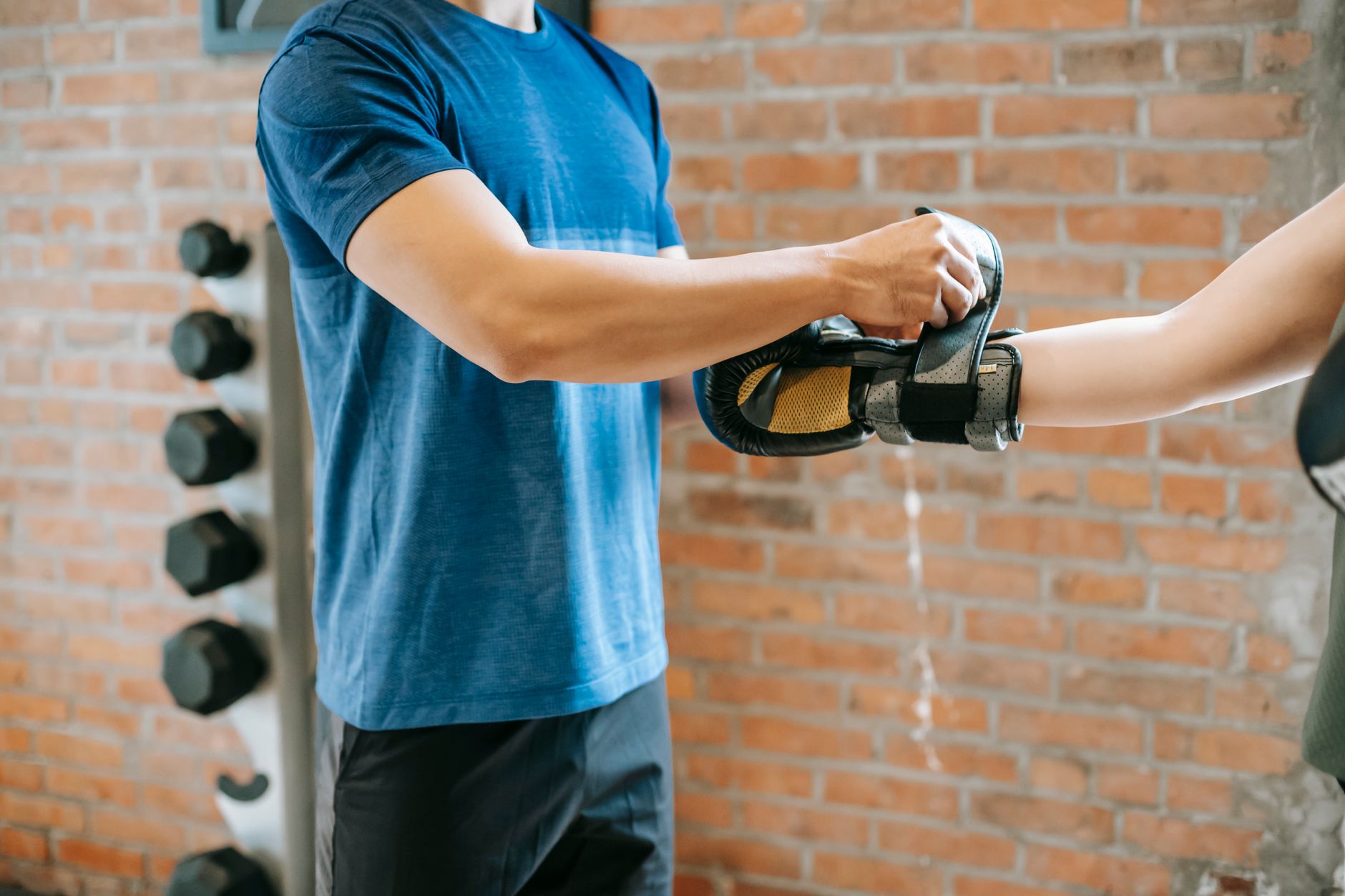
Boxing’s rhythmic, precise movements and visual targets help rewire how Parkinson’s patients control their bodies, improving balance, speed, and coordination.
Boxing’s rhythmic, precise movements and visual targets help rewire how Parkinson’s patients control their bodies, improving balance, speed, and coordination.
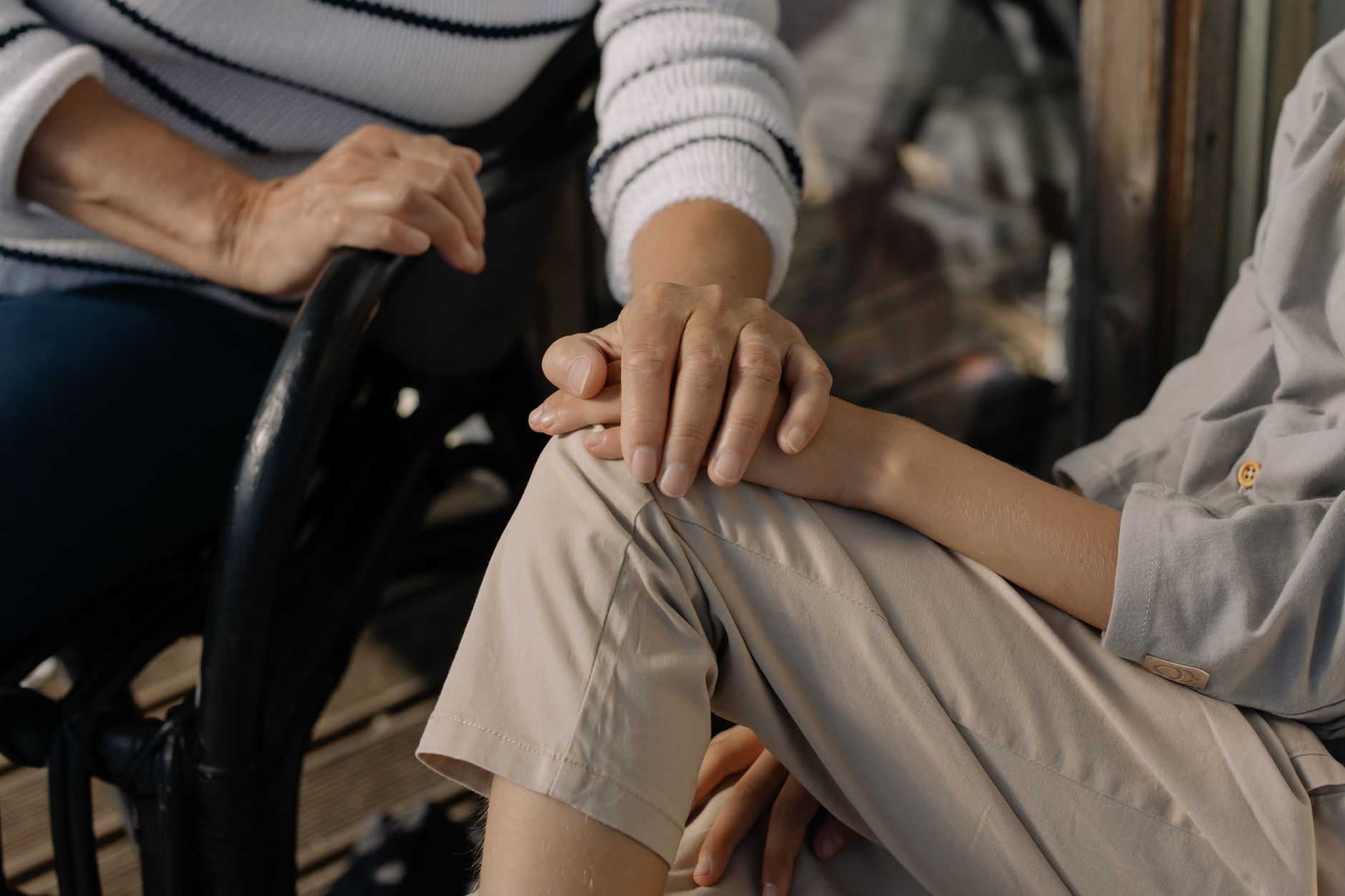
Parkinson’s disease unfolds through progressive stages, each with distinct motor and non-motor symptoms requiring tailored treatment strategies that evolve over time.
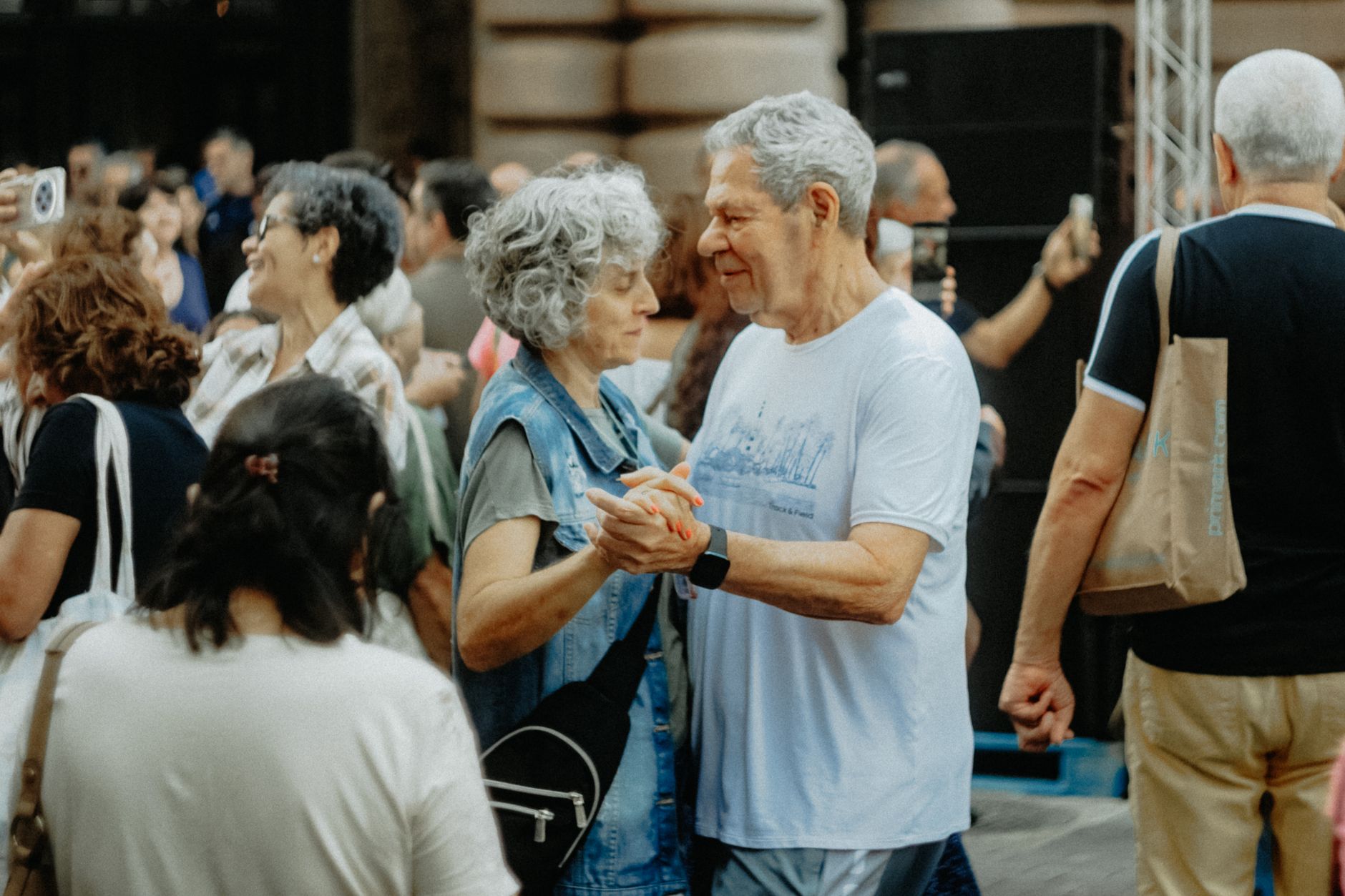
Community dance classes help Parkinson’s patients move more freely and stay socially connected while exercising.
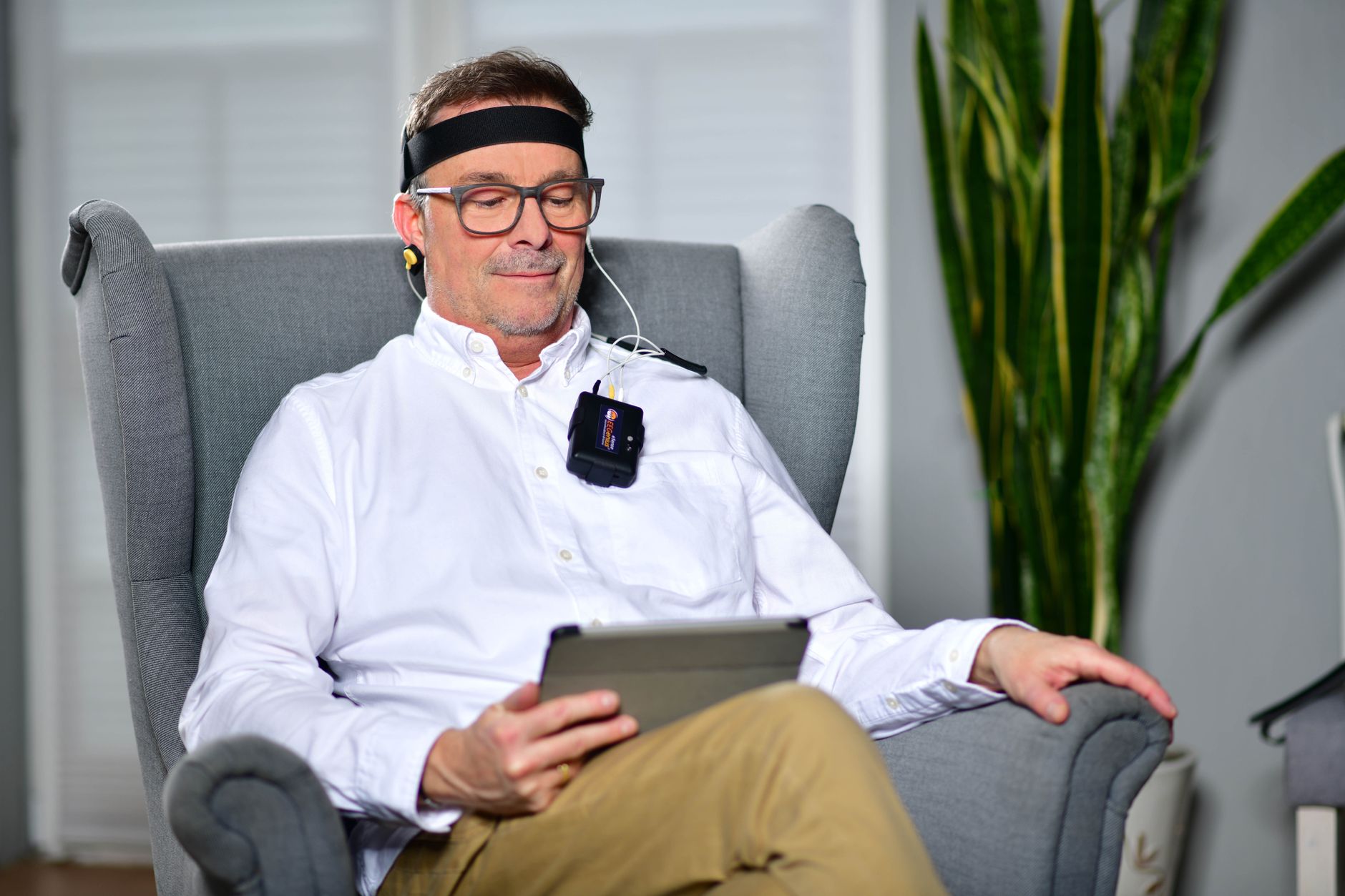
When medications fail, targeted brain stimulation can reduce essential tremor by 60 to 90 percent, but surgery carries real risks and lifelong maintenance demands.
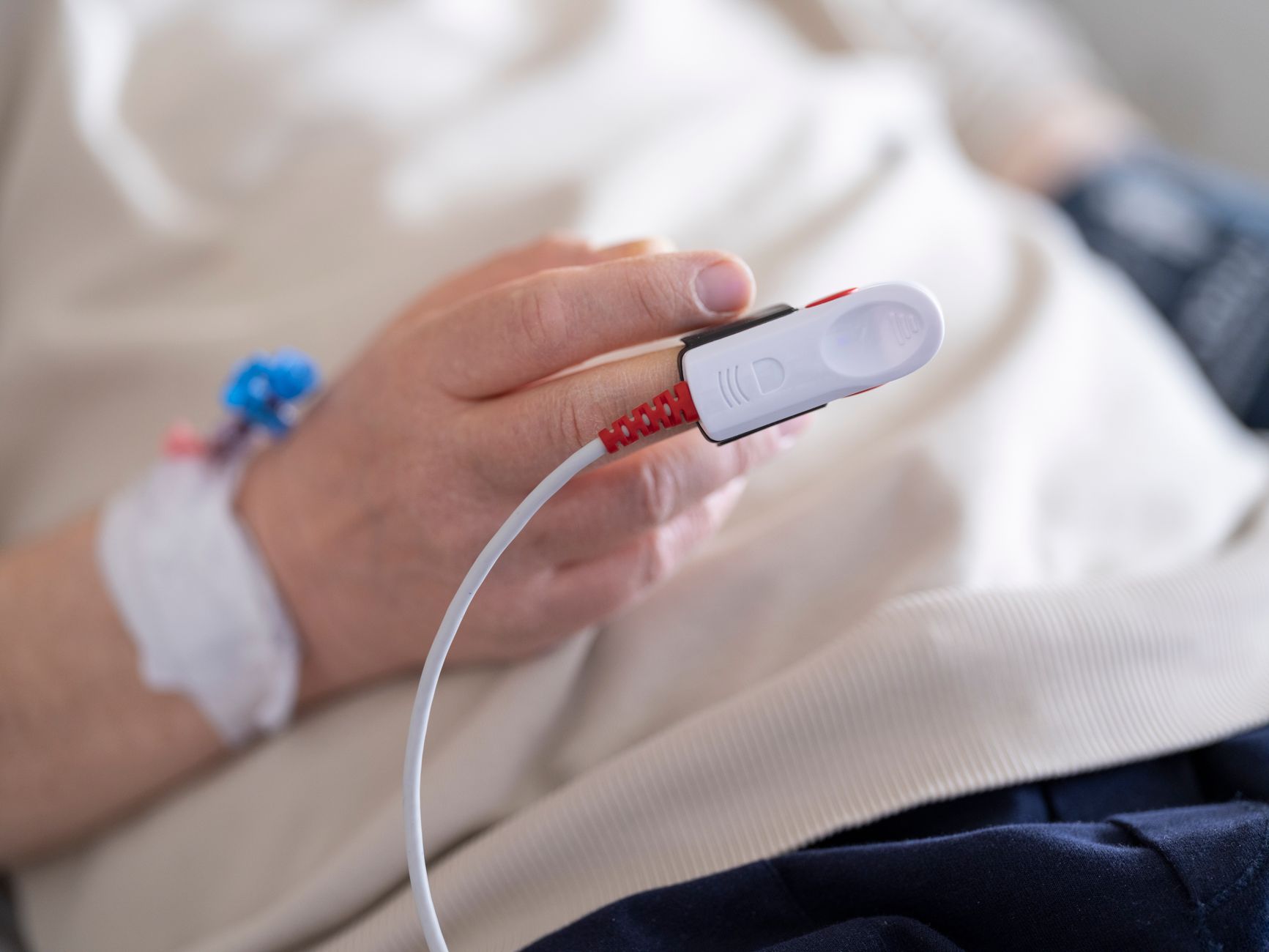
Wearable sensors now let neurologists track Parkinson’s tremor and movement changes continuously outside the clinic, revealing symptom patterns a standard office visit cannot detect.
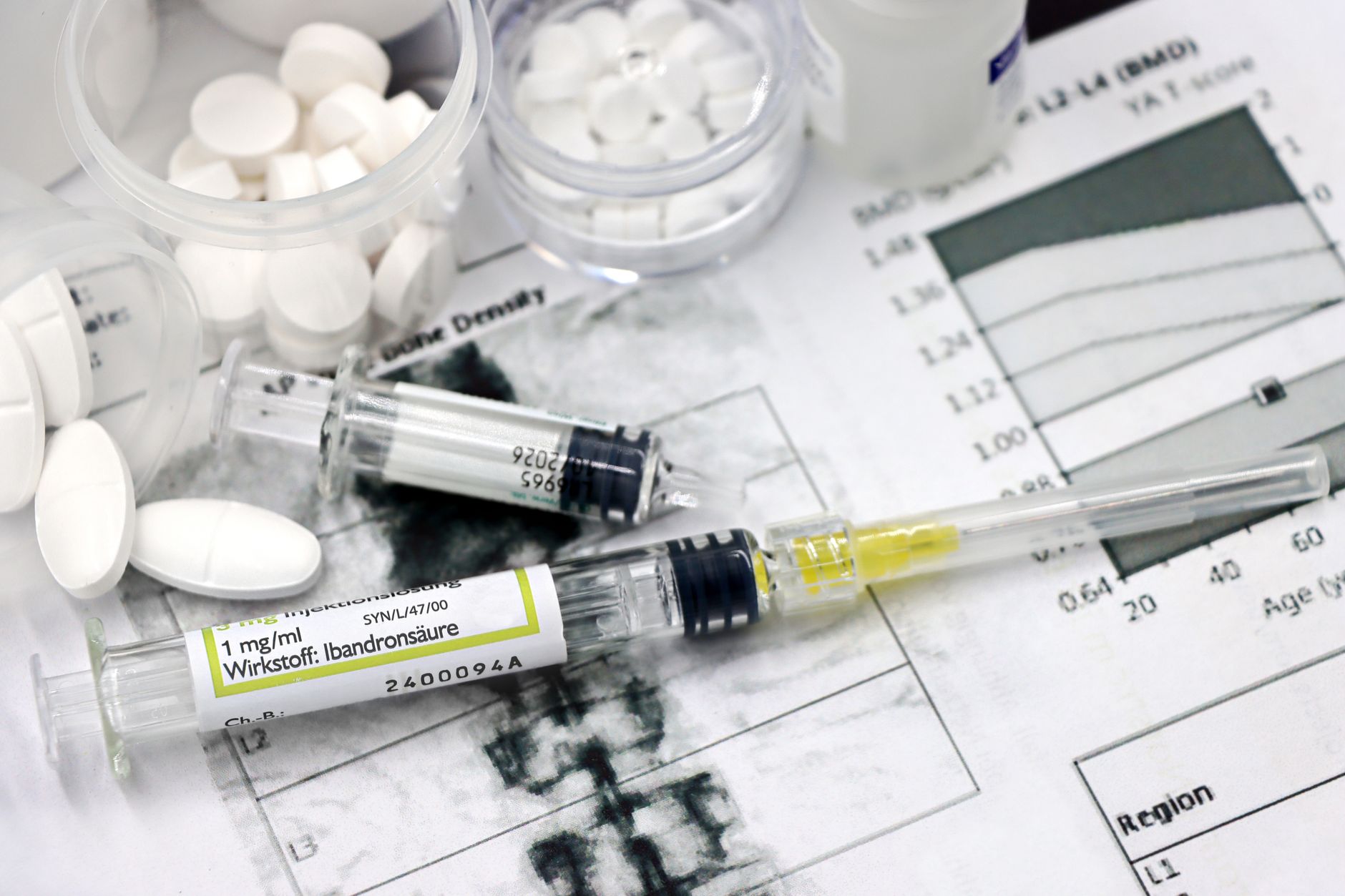
Early Parkinson’s signs range from visible tremors to sleep changes and loss of smell—recognizing them enables earlier medical evaluation.
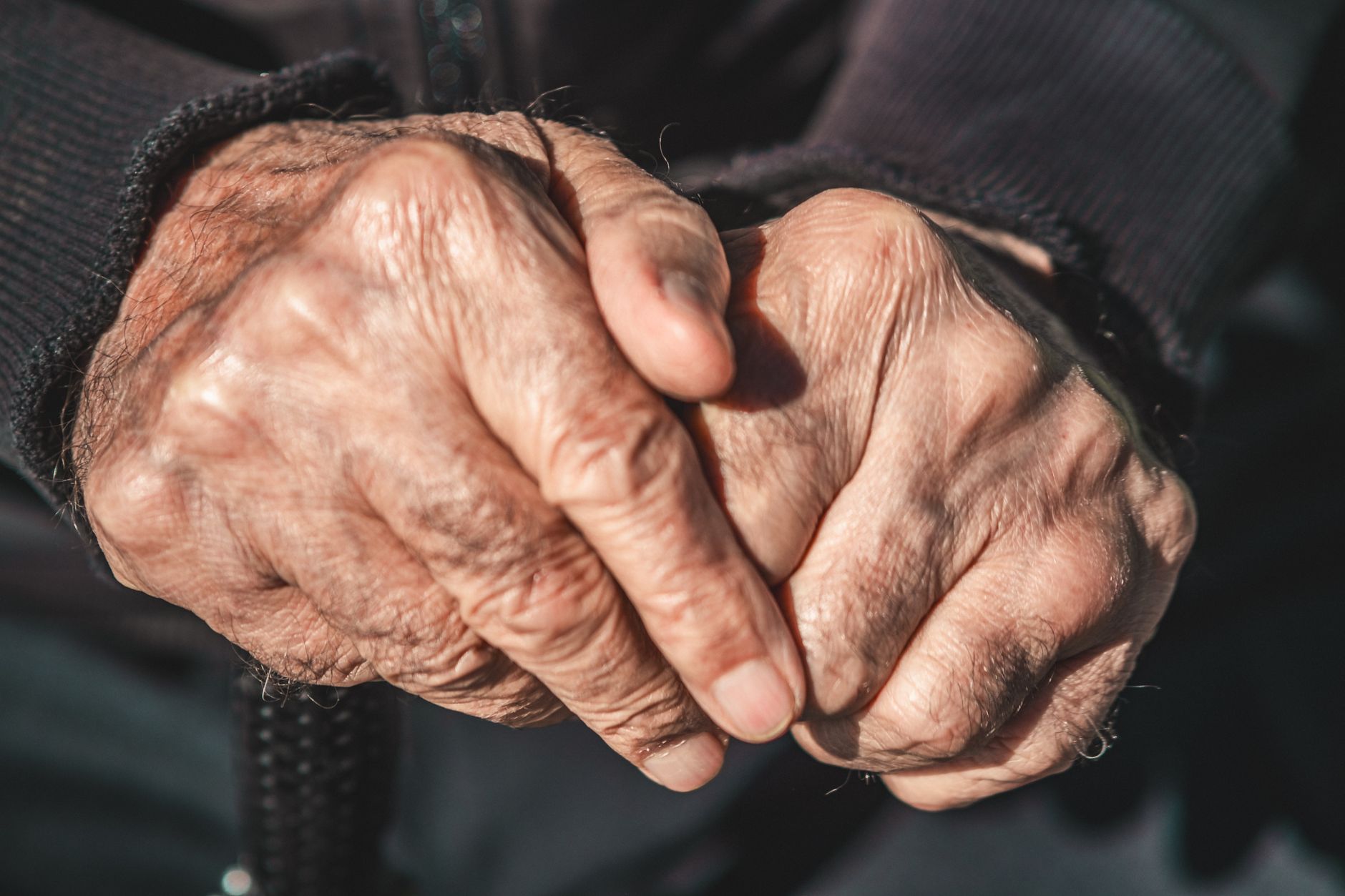
Headaches affect up to 40% of Parkinson’s patients and stem from disease-related pain processing changes, medications, or postural strain.
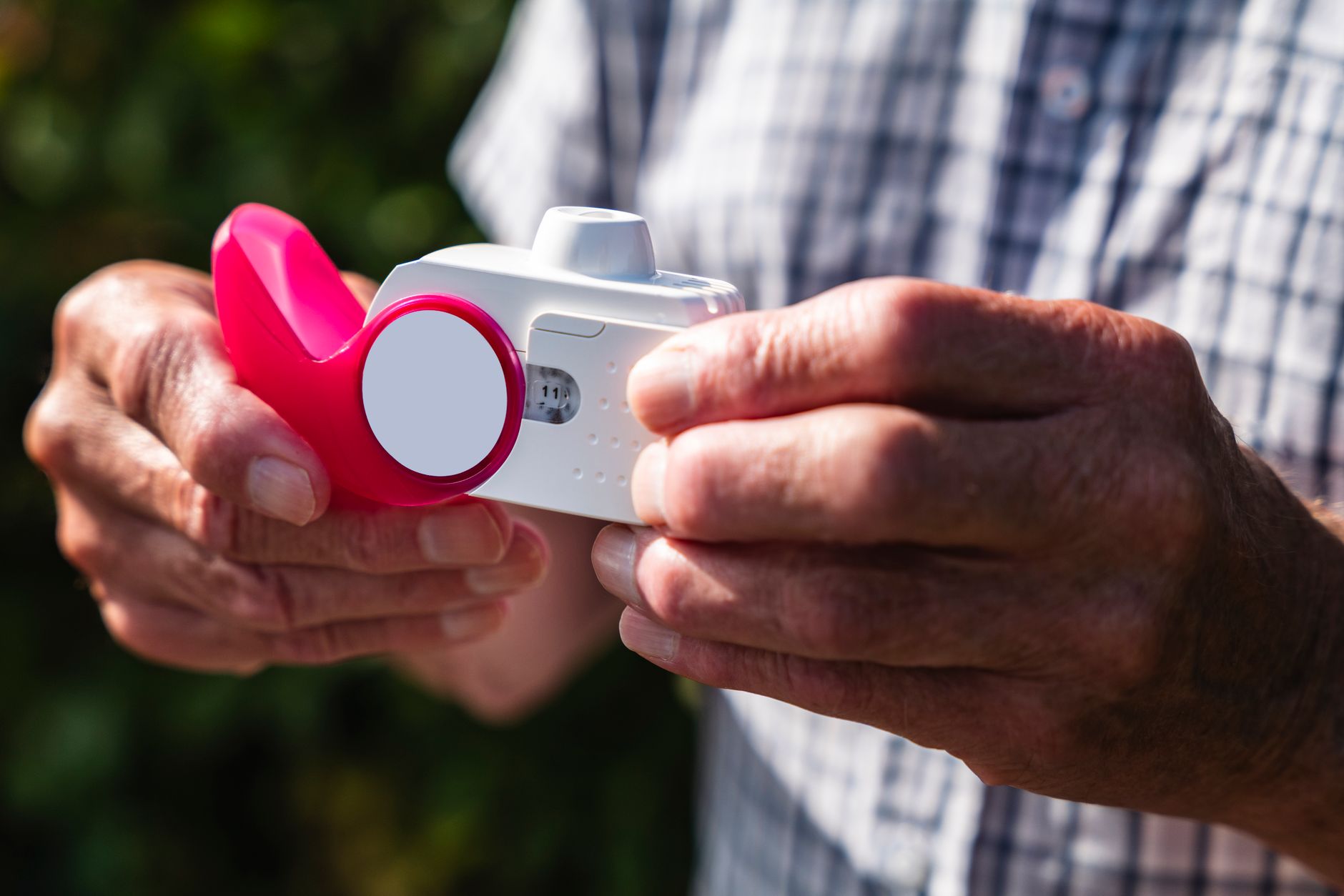
Stem cell therapies aim to repair Parkinson’s damage by generating replacement dopamine neurons, with early research showing encouraging but limited results.
Tear samples could one day offer a painless alternative to blood draws for identifying Parkinson’s disease risk, though validation studies are still underway.

Different Parkinson’s symptom patterns respond better to different rehabilitation strategies, and matching exercises to individual subtypes improves outcomes.