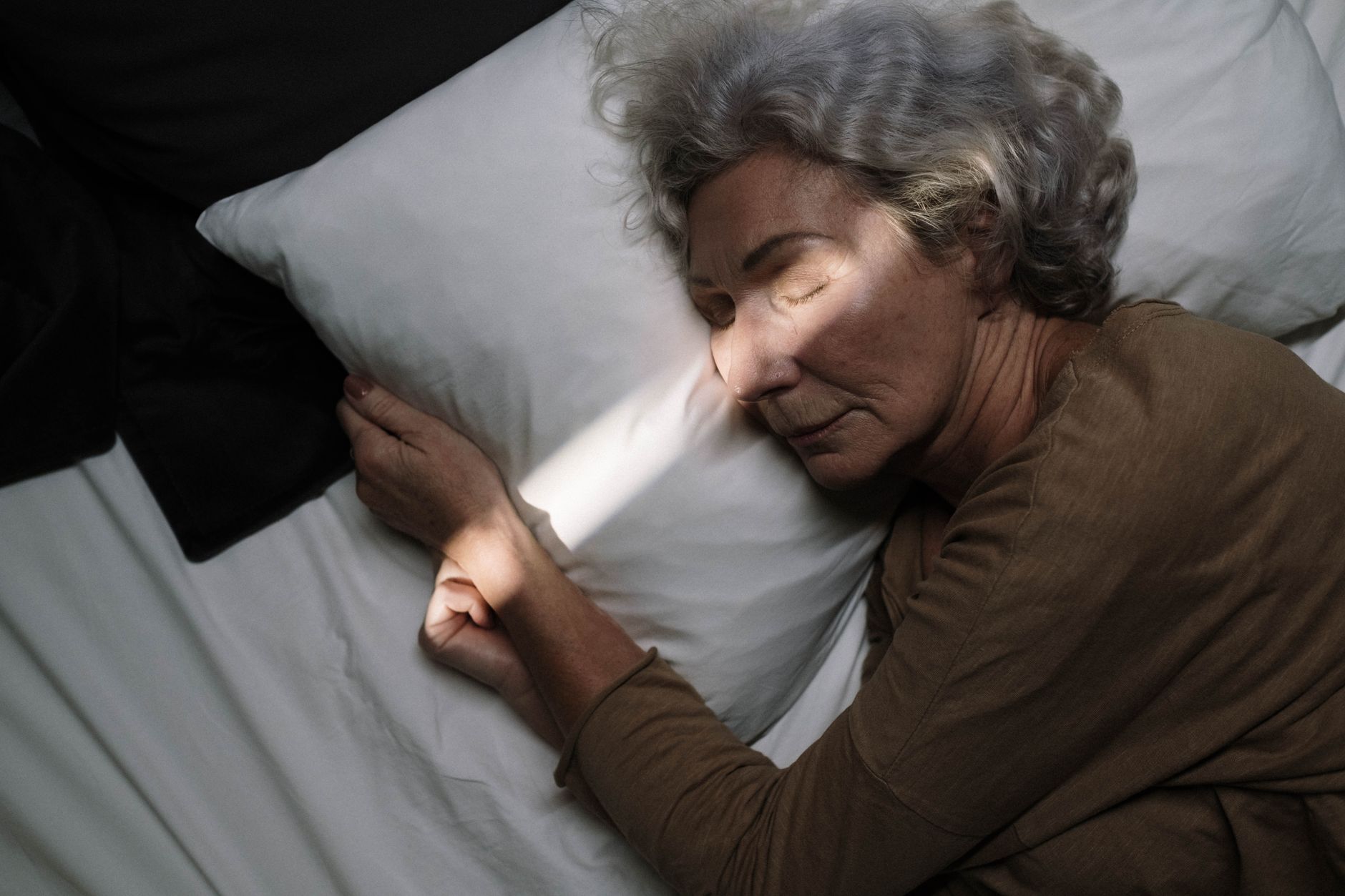
Parkinson's sleep problems most often mean acting out dreams, trouble falling or staying asleep, and strong daytime sleepiness. REM sleep behavior disorder is the acting-out type, when the normal muscle stillness of dream sleep fails. More than 75% of people with Parkinson's report sleep-related symptoms, according to the Parkinson's Foundation in its sleep disorders guide. Those symptoms include vivid dreaming, restless legs, trouble turning in bed, and nighttime urination.
Medical information disclaimer: This article is for general educational purposes only and does not provide medical advice, diagnosis, or treatment. Always consult a physician or other qualified health professional about symptoms, medications, tests, or treatment decisions.
Table of Contents
- What does acting out dreams look like?
- Why do nights break apart?
- How can you sleep better at night?
- What about daytime sleepiness and treatment?
What does acting out dreams look like?
People may punch, kick, yell, sit up, or get out of bed while dreaming. The Michael J. Fox Foundation explains this pattern in its guide to acting out dreams.
Dreams often involve sports, running, or being chased. The same source notes this behavior can appear years before Parkinson's is diagnosed. It raises risk for Parkinson's and related brain diseases, but not everyone with it develops Parkinson's.
Why do nights break apart?
Insomnia in Parkinson's often means trouble falling asleep plus repeated waking. Restless legs, vivid dreams, and the need to urinate interrupt sleep. Stiffness makes turning in bed hard and wakes many people.
A partner often notices the pattern first. Ask what time waking happens and what triggers it. That detail helps separate movement problems, bladder trips, and dream activity.
📨 Get Free Parkinson's Guides Alerts
Free · No spam · Unsubscribe anytime
How can you sleep better at night?
Keep a fixed bedtime and wake time. The Parkinson's Foundation lists this routine in its practical sleep habits.
A steady rhythm trains the body to fall asleep faster. Use these daily steps:.
- spend 6-8 hours in bed, not much longer
- get morning exercise and outdoor light
- keep naps under one hour and before 3 p.m.
- keep the bedroom cool, dark, and quiet
- limit evening fluids
What about daytime sleepiness and treatment?
Strong daytime sleepiness and sudden sleep attacks need a medication review. Dopamine agonists can cause or worsen them, along with nausea, low blood pressure, hallucinations, and compulsive behaviors. Tell the doctor about dozing while talking, eating, or driving.
For dream-enacting behavior, the American Academy of Sleep Medicine's 2023 guideline conditionally recommends clonazepam and immediate-release melatonin plus bedroom-safety measures, as summarized by Cleveland Clinic in its summary of the 2023 guideline. Safety steps aim to prevent falls, thrashing injuries, and weapon-related harm. All drug suggestions are conditional, so the clinician must weigh experience and each patient's values. Bring the sleep diary to each visit and ask which habit, safety, or medication change fits first.
You Might Also Like
- Parkinson’s Sleep Problems Research Review: Findings, Gaps, and Practical Context
- Understanding Parkinson’s Fatigue: Evidence, Limits, and Next Steps
- Understanding Parkinson’s Disease Liftware: Evidence, Limits, and Next Steps